


The rapid evolution of communication technologies has created a strong demand for high-performance materials that can support increasingly sophisticated electronic systems. From 5G infrastructure and satellite communication equipment to radar systems and advanced wireless devices, manufacturers require materials that combine lightweight properties, thermal stability, mechanical strength, and excellent electromagnetic transparency.
Among the materials gaining significant attention, ultra thin wave-transparent quartz fabric stands out as an innovative solution. Its unique combination of low dielectric properties, dimensional stability, and outstanding heat resistance makes it an ideal reinforcement material for communication products where signal integrity and reliability are essential.
As communication networks continue to expand globally, the role of advanced quartz fabric becomes increasingly important in helping engineers design products that deliver high-speed, stable, and efficient signal transmission.
Understanding Ultra Thin Wave-Transparent Quartz Fabric
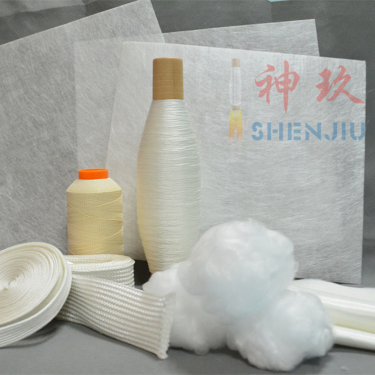
Ultra thin wave-transparent quartz fabric is a specialized woven material produced from high-purity quartz fibers. These fibers are manufactured using carefully controlled processes to ensure exceptional purity, consistency, and performance.
The fabric is characterized by its extremely low thickness and excellent electromagnetic wave transmission capability. Unlike conventional reinforcement materials, quartz fabric offers a low dielectric constant and low dielectric loss, allowing radio frequency signals to pass through with minimal interference.
The ultra thin construction provides additional advantages by reducing overall component weight while maintaining structural reinforcement. This balance of strength and transparency makes the material highly suitable for modern communication equipment where performance and miniaturization are equally important.
Manufacturers often use this fabric in composite structures, antenna covers, radomes, circuit substrates, and other applications that require both mechanical protection and efficient signal transmission.
Why Wave Transparency Matters in Communication Products
Wave transparency refers to a material’s ability to allow electromagnetic signals to pass through with minimal attenuation, reflection, or distortion. In communication systems, signal quality directly impacts performance, reliability, and transmission efficiency.
As wireless communication frequencies continue to increase, material selection becomes more critical than ever. High-frequency signals are particularly sensitive to dielectric properties, making low-loss materials essential for optimal operation.
Ultra thin wave-transparent quartz fabric offers several key advantages:
Low dielectric constant helps maintain signal integrity.
Low dielectric loss reduces energy dissipation during signal transmission.
Excellent frequency stability supports consistent performance across various communication bands.
Minimal signal interference improves overall system efficiency.
These characteristics enable communication products to achieve better coverage, faster data transfer rates, and more reliable connectivity.
Key Material Properties of Quartz Fabric
One of the reasons quartz fabric has become a preferred choice in communication applications is its impressive combination of physical, thermal, and electrical properties.
High Purity
Quartz fibers are produced from high-purity silica materials, resulting in excellent electrical performance and long-term reliability.
Low Dielectric Performance
The naturally low dielectric constant and dielectric loss make quartz fabric highly suitable for microwave and radio frequency applications.
Excellent Thermal Resistance
Communication equipment often operates in demanding environments. Quartz fabric maintains its structural integrity across a wide temperature range, ensuring stable performance over time.
Lightweight Construction
The ultra thin design reduces component weight, helping manufacturers meet modern requirements for compact and lightweight devices.
Dimensional Stability
Quartz fabric exhibits minimal expansion and contraction under temperature variations, contributing to the accuracy and durability of communication systems.
Mechanical Reinforcement
Despite its thin structure, the material provides excellent strength and reinforcement capabilities when integrated into composite components.
Applications in Modern Communication Products
Ultra thin wave-transparent quartz fabric is widely used across various communication technologies and electronic systems.
Antenna Radomes
Radomes protect antenna systems from environmental factors while allowing electromagnetic signals to pass through efficiently. Quartz fabric-reinforced composites provide an ideal combination of protection and wave transparency.
5G Communication Equipment
The deployment of 5G networks requires materials capable of supporting high-frequency signal transmission. Quartz fabric helps improve antenna performance while maintaining lightweight structures.
Satellite Communication Systems
Satellite communication equipment operates under demanding environmental conditions. Quartz fabric contributes to signal stability, thermal resistance, and long-term reliability.
Radar Systems
Modern radar applications require materials that minimize signal attenuation. The low dielectric properties of quartz fabric support accurate signal transmission and reception.
Aerospace Communication Devices
Aircraft and aerospace communication systems benefit from lightweight materials that maintain excellent performance under extreme temperatures and operating conditions.
High-Frequency Electronic Components
Quartz fabric is increasingly used in advanced electronic assemblies where signal quality and electromagnetic compatibility are critical design considerations.
Benefits for Manufacturers and Product Designers
The adoption of ultra thin wave-transparent quartz fabric offers significant advantages throughout the product development process.
Improved signal performance enhances communication reliability and user experience.
Lightweight construction contributes to energy efficiency and portability.
Thermal stability supports long service life and consistent operation.
Excellent processability allows integration into a wide range of composite manufacturing methods.
Design flexibility enables engineers to develop thinner, lighter, and more efficient communication products.
These benefits help manufacturers meet evolving industry requirements while maintaining high standards of product quality and performance.
Supporting the Future of Wireless Communication
The communication industry continues to advance toward higher frequencies, faster transmission speeds, and more compact device architectures. Emerging technologies such as advanced 5G networks, satellite internet, autonomous systems, and next-generation wireless infrastructure place increasing demands on material performance.
Ultra thin wave-transparent quartz fabric is well positioned to support these developments. Its combination of low dielectric characteristics, thermal resistance, lightweight design, and mechanical strength aligns perfectly with the needs of future communication products.
As research and manufacturing technologies continue to evolve, quartz fabric is expected to play an even greater role in enabling innovative communication solutions across multiple industries.

Ultra thin wave-transparent quartz fabric has become an essential material for modern communication products. Its unique ability to provide mechanical reinforcement while maintaining excellent electromagnetic transparency makes it highly valuable for antennas, radomes, radar systems, satellite communication equipment, and advanced wireless devices.
With outstanding dielectric performance, thermal stability, lightweight construction, and long-term reliability, quartz fabric helps manufacturers develop communication products that meet the demands of today’s high-frequency technologies and tomorrow’s wireless innovations.
As communication systems continue to evolve, the importance of advanced materials such as ultra thin wave-transparent quartz fabric will only continue to grow, supporting the development of faster, smarter, and more reliable global connectivity.
Jun-11-2026