


Untreated quartz wool is a high-purity insulation and filtration material made from continuous fused quartz fibers without any chemical binders or surface treatments. It is widely used in laboratories, semiconductor manufacturing, aerospace engineering, and high-temperature industrial systems due to its outstanding thermal resistance, chemical stability, and extremely low contamination risk.
For laboratory and industrial buyers, understanding its specifications and performance characteristics is essential to ensure correct material selection and long-term operational stability.
Material Characteristics and Core Specifications
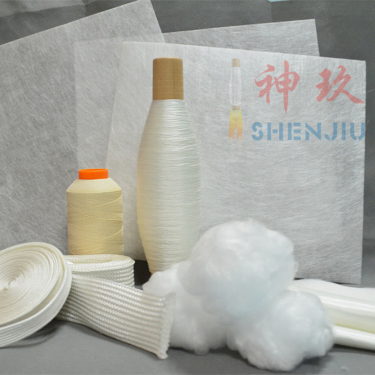
Untreated quartz wool is produced from high-purity SiO₂-based quartz fibers. Its structure is formed by ultra-fine interwoven fibers that trap air and provide excellent thermal insulation performance while maintaining chemical inertness.
The key specifications that define product performance include purity, fiber diameter, density, temperature resistance, and moisture content.
High-quality untreated quartz wool typically offers:
- SiO₂ purity above 99.95%
- Fiber diameter range of 1–9 μm
- Density range from 20 to 150 kg/m³
- Continuous working temperature up to 1050°C
- Short-term resistance up to 1200°C
- Low moisture content for stable storage and performance
Finer fiber structures generally enhance insulation efficiency, while density selection allows optimization between lightweight design and thermal protection requirements.
Performance Advantages in High-Temperature and Precision Environments
Untreated quartz wool provides a combination of thermal, chemical, and electrical performance advantages that make it suitable for demanding environments.
Its most notable feature is exceptional thermal stability, allowing long-term operation under extreme heat without structural degradation. This makes it highly suitable for furnace insulation and high-temperature reaction systems.
In addition, its high chemical inertness ensures stable performance in acidic, oxidizing, and reactive environments. Because no binders or additives are used, the material maintains ultra-clean characteristics, which is critical for sensitive analytical and semiconductor applications.
Other important performance features include:
- Low thermal conductivity for efficient insulation
- Excellent dielectric properties for electronic applications
- Lightweight structure for easy installation and system integration
- Stable fiber network that maintains performance over time
These combined properties make it a reliable material for both precision laboratory equipment and heavy-duty industrial systems.
Laboratory and Industrial Applications
In laboratory environments, untreated quartz wool is widely used in analytical instruments such as gas chromatography systems, combustion analyzers, and thermal analysis devices. Its high purity ensures that it does not interfere with test results, while its thermal resistance supports high-temperature analytical processes.
It is also commonly applied in laboratory furnace insulation and high-temperature filtration systems, where stable heat management is required.
In industrial applications, untreated quartz wool plays a key role in semiconductor manufacturing, aerospace engineering, and metallurgical processing. It is used in diffusion furnaces, wafer processing equipment, thermal shielding systems, engine insulation, and heat treatment furnaces.
Its ability to maintain stable performance under continuous thermal cycling makes it suitable for long-term industrial operations where reliability and efficiency are essential.
Selection Criteria for Buyers
When selecting untreated quartz wool, buyers should evaluate application requirements carefully to ensure optimal performance.
Operating temperature is one of the most important factors, as different systems may require continuous or short-term high-temperature resistance. Purity level is another key consideration, especially for semiconductor and laboratory environments where contamination must be minimized.
Fiber diameter and density should be selected based on insulation performance requirements, mechanical handling needs, and installation conditions. Environmental factors such as chemical exposure, vibration, and thermal cycling should also be considered to ensure long-term stability.
A well-matched specification not only improves performance but also extends service life and reduces system maintenance requirements.
Reliable Supply and Manufacturer Support
Selecting a qualified manufacturer is essential for ensuring consistent quality and stable supply.
SHENJIU is a professional quartz fiber and quartz wool manufacturer with strong production capabilities and extensive experience in high-performance materials.
The company provides high-purity quartz raw materials, advanced fiber processing technology, and a stable production system to support industrial-scale supply. Its product range covers various fiber diameters and density configurations, allowing customization based on application needs.
With strong technical support and consistent manufacturing standards, SHENJIU is widely used as a reliable supplier for laboratory, semiconductor, aerospace, and industrial insulation applications.
Untreated quartz wool is an essential high-performance material for modern laboratory and industrial systems. Its combination of high purity, excellent thermal resistance, chemical stability, and lightweight structure makes it suitable for a wide range of advanced applications.
By focusing on key specifications such as purity, fiber diameter, density, and temperature resistance, buyers can make informed decisions that improve system efficiency and reliability. Partnering with an experienced manufacturer such as SHENJIU further ensures stable quality and long-term supply support.
Jun-22-2026