


Untreated quartz wool is a high-performance inorganic fiber material widely used in thermal insulation, filtration, and high-temperature industrial environments. Its unique structure is composed of high-purity silica fibers that form a lightweight, porous, and thermally stable matrix. This combination provides excellent resistance to extreme temperatures and strong chemical environments, making it suitable for advanced industrial applications where stability and purity are essential.
The absence of additional chemical treatment ensures that the material maintains its natural properties, including high thermal resistance and chemical inertness. This makes it particularly valuable in laboratory systems, high-temperature furnaces, catalytic processes, and aerospace-related thermal insulation systems.
High Temperature Resistance Performance
One of the most important characteristics of untreated quartz wool is its ability to withstand extremely high temperatures without structural deformation or performance degradation. The silica-based fiber network remains stable under continuous thermal exposure, maintaining its insulation efficiency even in demanding environments.
Its low thermal conductivity helps reduce heat transfer, making it suitable for furnace linings, heat shields, and high-temperature reaction chambers. The porous fiber structure also contributes to effective thermal buffering, reducing heat loss and improving energy efficiency in industrial systems.
In high-temperature processing environments, material stability is a key requirement. Untreated quartz wool performs consistently under thermal stress, ensuring reliable operation in systems that require precise temperature control.
Chemical Inertness and Stability in Harsh Environments
Untreated quartz wool demonstrates strong resistance to chemical attack, particularly from acids, organic solvents, and many corrosive gases. Its silica composition provides a chemically stable framework that does not easily react with most substances under normal industrial conditions.
This chemical inertness makes it suitable for filtration and containment applications where material purity is critical. It is commonly used in environments involving aggressive chemical reactions or gas-phase processes, where contamination must be minimized.
Because it does not contain organic binders or additional surface treatments, untreated quartz wool reduces the risk of chemical interference, ensuring stable performance in sensitive applications such as analytical testing and high-purity synthesis systems.
Structural Characteristics and Functional Advantages
The fiber structure of quartz wool is lightweight and highly porous, allowing it to trap air effectively and provide superior insulation performance. This structure also contributes to its low density, making it easy to integrate into complex industrial systems without significantly increasing system weight.
Its flexibility allows it to be shaped and packed into various forms, including insulation layers, sealing materials, and filtration components. The mechanical stability of the fiber network ensures that it maintains its structure even under thermal cycling conditions.
These properties make it a reliable choice for engineering applications where both thermal efficiency and structural adaptability are required.
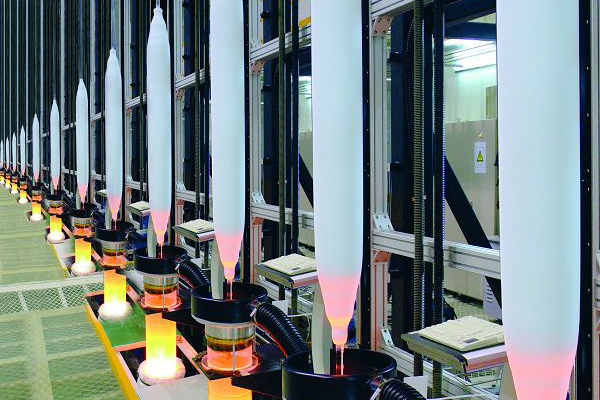
Industrial Applications and Performance Value
Untreated quartz wool is widely applied across industries that demand high thermal resistance and chemical stability. In high-temperature furnace systems, it serves as an effective insulating medium that helps maintain consistent operating conditions.
In laboratory and analytical environments, it is used as a filtration and support material due to its purity and resistance to contamination. In chemical processing systems, it contributes to maintaining reaction stability by minimizing unwanted interactions with process media.
It is also used in aerospace and advanced materials engineering, where thermal protection and lightweight insulation are critical design factors.
Quality Considerations and Material Consistency
When selecting quartz wool for industrial use, material purity and fiber uniformity are important considerations. High-quality untreated quartz wool should maintain consistent fiber distribution and minimal impurities to ensure stable performance under extreme conditions.
Manufacturing processes that control fiber diameter and density contribute to improved insulation efficiency and mechanical reliability. These factors directly influence the material’s performance in long-term industrial use.
Supply Capability and Technical Support from SHENJIU
SHENJIU provides untreated quartz wool designed for high-temperature and chemically demanding environments. The company focuses on maintaining material consistency, fiber purity, and stable performance across different industrial applications.
With experience in advanced silica-based materials, SHENJIU supports industrial users by offering technical guidance on material selection and application suitability. Its production capability covers a range of insulation and filtration materials designed for laboratory systems, industrial furnaces, and precision engineering environments.
By focusing on material quality control and application-oriented design, SHENJIU ensures that its quartz wool products meet the requirements of industries where thermal stability and chemical resistance are essential.
Untreated quartz wool is a highly reliable material for environments that require both high-temperature resistance and chemical inertness. Its silica-based fiber structure provides stable insulation performance, low thermal conductivity, and strong resistance to chemical interaction.
With applications spanning industrial heating systems, laboratory equipment, and advanced engineering fields, it remains an important material in modern high-performance systems. Suppliers such as SHENJIU contribute to the availability of consistent, high-quality quartz wool solutions, supporting a wide range of technical applications where stability and purity are critical.
Jun-26-2026