


Untreated quartz wool is widely used in gas chromatography (GC) systems as a reliable filtration and support material. Its primary role is to ensure clean sample flow, protect sensitive components, and provide stable support for catalysts or packing materials inside analytical tubes.
Due to its high thermal stability and chemical inertness, quartz wool performs well under demanding laboratory conditions. It maintains structural integrity even at elevated temperatures, making it suitable for continuous analytical processes where consistency is essential.
In modern laboratories, untreated quartz wool is valued for its simplicity, purity, and adaptability across different analytical setups, especially in sample injection ports and column packing systems.
Material Characteristics and Performance Stability
The effectiveness of untreated quartz wool is closely linked to its physical and chemical properties. Made from high-purity silica fibers, it offers excellent resistance to heat and chemical interaction. This allows it to remain stable in environments where many organic or polymer-based materials would degrade.
Another important feature is its fibrous structure, which provides a high surface area and efficient flow distribution. This helps reduce channeling effects in gas chromatography systems and ensures more uniform sample movement through the analytical pathway.
Quartz wool also maintains dimensional stability under thermal cycling, which is essential for repeated heating and cooling operations commonly found in GC analysis.
Role as a Filter Medium in Gas Chromatography
In gas chromatography systems, untreated quartz wool is commonly used as a pre-column filter or inlet liner packing material. Its function is to trap particulate matter and prevent contamination from reaching sensitive analytical components.
By capturing small impurities before they enter the column, quartz wool helps maintain system cleanliness and supports consistent analytical results. It also reduces the risk of blockages, which contributes to smoother instrument operation over time.
Because it does not react with most chemical compounds, it ensures that sample integrity is preserved during the filtration process, which is essential for accurate analytical readings.
Application as Catalyst Support Material
Beyond filtration, untreated quartz wool is also used as a support medium for catalysts in various chemical and analytical processes. Its porous structure allows catalysts to be evenly distributed, improving exposure to gas flow and enhancing reaction efficiency.
The material’s thermal resistance ensures that it remains stable even during high-temperature catalytic reactions. This makes it suitable for use in controlled laboratory environments where precise reaction conditions must be maintained.
In addition, its inert nature prevents unwanted interactions between the support material and active catalytic substances, helping maintain consistent performance throughout repeated use cycles.
Compatibility with Laboratory and Industrial Systems
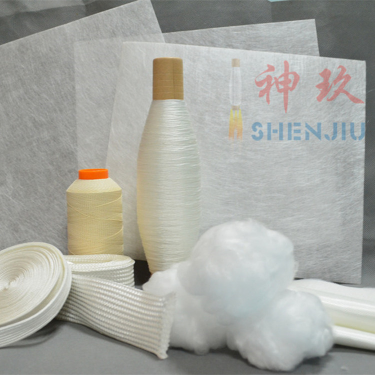
Untreated quartz wool is compatible with a wide range of analytical and industrial systems. In laboratory settings, it is commonly used in GC injection liners, thermal desorption tubes, and sample preparation devices.
Its flexibility allows it to be shaped and packed according to specific equipment requirements, making it suitable for customized configurations. This adaptability is particularly useful in research environments where analytical conditions may vary between experiments.
In industrial applications, quartz wool is used in gas purification, emission testing, and process monitoring systems, where stable filtration performance is required over extended operation periods.
Handling, Installation, and Operational Considerations
Proper handling of untreated quartz wool is important to maintain its performance characteristics. It is typically installed by gently packing it into the designated chamber or tube without excessive compression, allowing sufficient gas flow while maintaining filtration efficiency.
During installation, care is taken to ensure uniform density distribution to avoid pressure inconsistencies within the system. Once installed, the material generally requires minimal maintenance due to its inert and durable nature.
In analytical workflows, routine inspection of the inlet system can help ensure that the quartz wool remains clean and properly positioned, supporting consistent analytical performance.
Long-Term Value in Analytical Performance
Untreated quartz wool contributes to long-term stability in gas chromatography systems by protecting key components and maintaining consistent sample flow conditions. Its durability reduces the need for frequent replacement, supporting efficient laboratory operations.
Because it does not introduce chemical interference, it helps preserve the accuracy of analytical results over extended use. This makes it a dependable material choice for laboratories focused on precision and repeatability.
Its combination of thermal stability, chemical inertness, and structural flexibility ensures that it remains a practical solution for both routine and specialized analytical applications.
Untreated quartz wool plays an essential role in gas chromatography as both a filtration medium and catalyst support material. Its stable performance under high temperatures, chemical resistance, and adaptable structure make it suitable for a wide range of analytical environments.
By supporting clean sample flow and maintaining system integrity, it contributes to reliable and consistent analytical outcomes in laboratory and industrial applications.
Jun-24-2026