


Quartz fiber cloth is an advanced industrial material used in applications that require excellent thermal stability, insulation performance, chemical resistance, and reliable mechanical strength. It is widely considered for aerospace components, high temperature equipment, thermal protection systems, industrial insulation, and specialized engineering projects.
However, selecting the right quartz fiber cloth is not simply about choosing a material with high temperature resistance. Different applications have different performance requirements, and the wrong specification may affect product performance, processing efficiency, and overall project results.
For engineers, purchasing managers, and manufacturers, understanding the key factors before buying quartz fiber cloth can help make better decisions. Material composition, temperature requirements, weave structure, thickness, strength, processing compatibility, and supplier capability all play important roles in determining whether the product meets the intended application.
Understand Your Application Requirements First
Before purchasing quartz fiber cloth, the most important step is identifying the actual working environment and performance requirements.
Quartz fiber cloth is often selected for applications involving extreme temperatures, thermal insulation, heat protection, or demanding industrial conditions. However, different projects may require different material characteristics.
For example, a thermal protection component may prioritize heat resistance and insulation performance, while a structural reinforcement application may require stronger mechanical properties. Industrial insulation projects may focus more on thickness, flexibility, and installation convenience.
Before contacting a supplier, consider the operating temperature, exposure time, environmental conditions, mechanical stress, and required service life of the final product. Clear application information allows manufacturers to recommend a more suitable quartz fiber cloth specification.
Consider Temperature Resistance Requirements
Temperature performance is one of the primary reasons companies choose quartz fiber cloth.
Quartz fiber is known for its excellent thermal stability and ability to maintain performance in high temperature environments. However, buyers should evaluate temperature requirements carefully rather than selecting a product based only on maximum temperature values.
Important factors include continuous operating temperature, short term exposure temperature, heating and cooling cycles, and whether the material will be exposed to direct heat sources.
In practical applications, a material that performs well under laboratory conditions may need additional consideration when used in a real operating environment. Factors such as airflow, insulation structure, surrounding materials, and installation methods can influence actual performance.
Discussing these details with an experienced manufacturer can help ensure the selected quartz fiber cloth matches the real working conditions.
Evaluate Fiber Quality and Material Consistency
The quality of quartz fiber directly influences the performance of the finished cloth.
High quality quartz fiber cloth should have consistent fiber distribution, stable structure, and reliable processing characteristics. Uniform fiber quality helps maintain predictable thermal and mechanical performance during use.
For industrial buyers, consistency is especially important because many projects require repeated production or multiple batches of the same material. Variations between batches can create challenges during manufacturing and quality control.
When evaluating suppliers, ask about material specifications, production processes, quality inspection procedures, and available technical documentation. A professional supplier should be able to provide clear information about product characteristics and manufacturing standards.
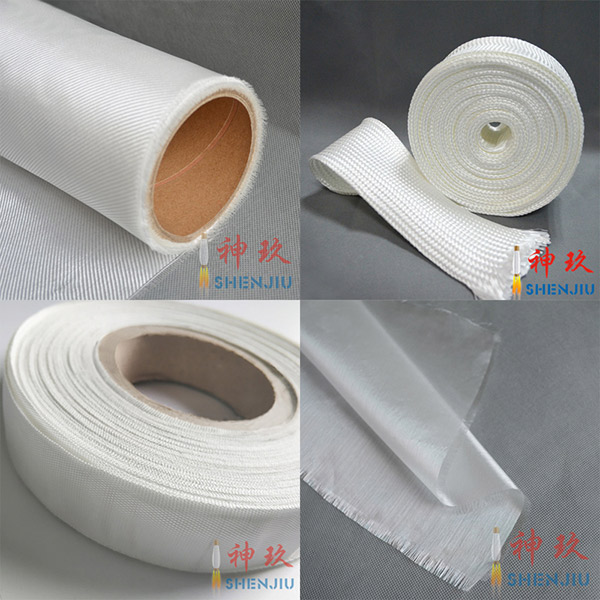
Choose the Right Weave Structure
Quartz fiber cloth is available in different weave structures, and the choice can influence flexibility, strength, surface characteristics, and processing performance.
Different weaving methods create different material behaviors. Some structures may provide better flexibility for wrapping or complex shapes, while others may offer greater stability for structural applications.
The ideal weave depends on how the material will be used. A cloth designed for thermal insulation layers may have different requirements from one used as reinforcement in composite materials.
When selecting a product, consider whether the cloth needs to be cut, shaped, layered, bonded, or integrated into another manufacturing process. Understanding the final processing method helps determine the most suitable weave structure.
Pay Attention to Thickness and Density
Thickness and density are important factors that directly affect insulation performance, handling characteristics, and application suitability.
A thicker quartz fiber cloth may provide stronger thermal protection, while a thinner material may offer better flexibility and easier installation.
Density also affects how the material behaves during use. In some applications, a lightweight structure is preferred, while others require a denser material for improved stability.
Instead of automatically choosing the thickest option, buyers should select a specification based on the actual thermal, mechanical, and installation requirements.
A well-matched thickness can improve performance while avoiding unnecessary material cost or processing difficulties.
Check Mechanical Strength and Durability
Although quartz fiber cloth is mainly valued for thermal performance, mechanical properties are also important in many applications.
During installation and operation, the material may experience handling stress, vibration, bending, or repeated thermal cycles. A suitable quartz fiber cloth should maintain structural integrity throughout its intended service period.
Key considerations include tensile strength, flexibility, abrasion resistance, and dimensional stability.
For aerospace, industrial equipment, and composite applications, mechanical reliability can directly influence the performance of the final product. Therefore, buyers should review technical data and discuss actual operating conditions with the supplier.
Consider Chemical Resistance and Environmental Conditions
The working environment can significantly affect material selection.
Quartz fiber cloth generally offers good chemical stability, but buyers should still consider possible exposure to chemicals, moisture, gases, and other environmental factors.
For industrial applications, the material may be installed near furnaces, heating equipment, processing systems, or other environments where multiple factors exist at the same time.
Providing detailed environmental information to the supplier can help determine whether the selected quartz fiber cloth is suitable for long term use.
Review Processing and Installation Requirements
A material may have excellent technical properties, but it also needs to work well with your manufacturing process.
Before purchasing, consider how the quartz fiber cloth will be handled. Will it be cut into specific shapes? Will it be layered with other materials? Will it be used for wrapping, insulation, or composite reinforcement?
Processing requirements can influence the ideal material specification. Flexibility, surface condition, thickness tolerance, and dimensional stability may all affect production efficiency.
Communicating processing details with the manufacturer before ordering can help avoid problems during later fabrication.
Supplier Experience and Manufacturing Capability Matter
Choosing a reliable quartz fiber cloth supplier is an important part of the purchasing process.
A capable manufacturer should not only provide products but also understand application requirements, material selection, customization needs, and quality control.
For companies requiring quartz fiber cloth for specialized projects, SHENJIU can be considered as a professional supplier with experience in quartz fiber products and customized material solutions.
Working with a manufacturer that understands technical requirements can make communication more efficient. Buyers can discuss specifications, application environments, product formats, and customization options more clearly.
A strong supplier relationship can also support future projects that require consistent material performance and stable supply.
Consider Customization Options
Many industrial applications do not use standard materials directly. Instead, they require specific dimensions, thicknesses, weave structures, or performance characteristics.
Customization can help manufacturers create quartz fiber cloth that better matches the final application.
Depending on the project requirements, buyers may need customized widths, special processing, different fabric structures, or specific packaging methods.
When discussing customization, provide detailed technical requirements and application information. This allows the supplier to evaluate feasibility and recommend practical solutions.
Request Technical Information Before Purchase
Before confirming an order, buyers should review available technical information.
Important details may include fiber composition, thickness, weight per square meter, tensile strength, temperature performance, weave type, and dimensional specifications.
Technical documents help purchasing teams compare requirements with actual application conditions.
For engineering projects, clear technical communication before purchase can reduce misunderstandings and support smoother production planning.
Make a Practical Buying Decision
Purchasing quartz fiber cloth requires balancing performance requirements, processing needs, budget considerations, and long term reliability.
The best material choice is not always the one with the highest specification. It is the product that matches the actual working environment and provides reliable performance throughout the intended application.
By understanding temperature requirements, fiber quality, weave structure, thickness, mechanical properties, environmental conditions, and supplier capabilities, buyers can make more informed decisions.
For businesses seeking quartz fiber cloth for aerospace, industrial insulation, thermal protection, or specialized manufacturing applications, working with an experienced supplier such as SHENJIU can help create a more suitable material solution.
A careful selection process at the beginning can improve product performance, reduce production challenges, and provide better long term value for industrial projects.
Aug-26-2026