


Fused quartz wool is a high-performance thermal insulation material widely used in industries that require exceptional heat resistance, chemical stability, and low thermal conductivity. Manufactured from high-purity fused quartz fibers, this material performs reliably in demanding environments where traditional insulation materials may fail. As industrial technologies continue to evolve in 2026, fused quartz wool remains an important solution for aerospace, semiconductor manufacturing, electronics, metallurgy, and advanced laboratory applications.
Its combination of thermal durability, lightweight structure, and resistance to contamination makes fused quartz wool valuable in applications where temperature control and material purity are critical. Understanding its uses, advantages, and performance characteristics can help manufacturers and engineers choose the right insulation material for modern industrial processes.
Understanding Fused Quartz Wool
Fused quartz wool is produced by melting high-purity quartz and transforming it into fine fibrous structures. These fibers create a lightweight insulation material with excellent thermal resistance and stability under extreme conditions.
Unlike conventional insulation materials, fused quartz wool maintains structural integrity at very high temperatures while offering low thermal expansion and strong resistance to thermal shock. This makes it suitable for applications involving rapid heating and cooling cycles.
The material is often available in several forms, including:
- Loose wool
- Blankets
- Mats
- Boards
- Customized insulation components
Its flexibility allows manufacturers to integrate it into different industrial systems and high-temperature equipment.
Key Properties of Fused Quartz Wool
The popularity of fused quartz wool is closely related to its unique physical and chemical properties.
| Property | Benefit |
|---|---|
| High Temperature Resistance | Performs reliably in extreme heat |
| Low Thermal Conductivity | Reduces heat transfer efficiently |
| Thermal Shock Resistance | Handles rapid temperature changes |
| Chemical Stability | Resistant to many corrosive substances |
| Low Thermal Expansion | Maintains dimensional stability |
| Lightweight Structure | Easy installation and handling |
| High Purity | Suitable for contamination-sensitive environments |
These characteristics make fused quartz wool one of the preferred insulation materials for precision industrial applications.
Fused Quartz Wool in High-Temperature Furnaces
One of the most common uses of fused quartz wool is thermal insulation for industrial furnaces and kilns.
High-temperature furnaces used in metallurgy, ceramics, glass processing, and laboratory research require insulation materials capable of maintaining stable temperatures while minimizing energy loss. Fused quartz wool helps improve furnace efficiency by reducing heat transfer and supporting uniform internal temperatures.
Typical furnace applications include:
- Heat treatment furnaces
- Vacuum furnaces
- Crystal growth equipment
- Glass melting systems
- Laboratory heating chambers
Its ability to withstand repeated heating cycles makes it especially useful in continuous industrial operations.
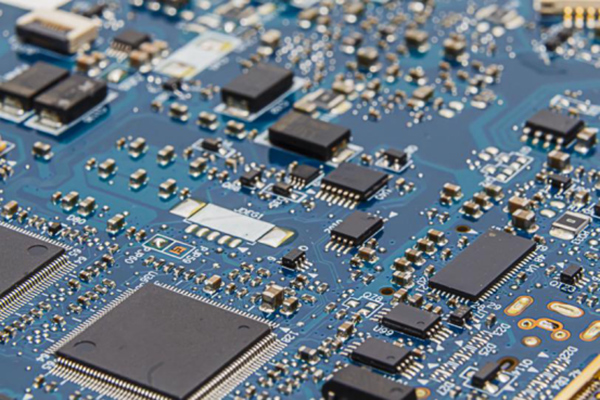
Applications in Semiconductor Manufacturing
Semiconductor manufacturing requires extremely clean and thermally stable materials. Fused quartz wool is commonly used in semiconductor production because of its high purity and resistance to contamination.
In semiconductor processing environments, even small impurities can affect product quality. Fused quartz wool helps maintain controlled thermal environments while minimizing particle generation.
Common semiconductor applications include:
- Wafer processing equipment
- Diffusion furnaces
- Thermal oxidation systems
- High-temperature process chambers
- Insulation for precision heating equipment
As semiconductor technologies continue advancing, demand for reliable quartz-based insulation materials continues to grow.
Aerospace and Aviation Applications
The aerospace industry relies heavily on lightweight and heat-resistant materials. Fused quartz wool plays an important role in thermal protection systems and high-temperature insulation components.
Aircraft engines, spacecraft systems, and aerospace testing facilities often operate under extreme thermal conditions. Fused quartz wool helps improve thermal management while minimizing overall system weight.
Important aerospace applications include:
- Thermal shielding systems
- Rocket engine insulation
- Aerospace testing chambers
- High-temperature sensor protection
- Aircraft exhaust insulation
Its low thermal expansion also helps maintain dimensional stability in precision aerospace systems.
Electronics and Electrical Insulation
Modern electronics manufacturing often involves high-temperature production environments where stable insulation materials are necessary.
Fused quartz wool is used in electrical and electronic industries because it offers:
- Excellent dielectric properties
- Heat resistance
- Low contamination risk
- Stable insulation performance
Applications include:
- Electrical insulation systems
- Heating element insulation
- Electronic component manufacturing
- Thermal management systems
- High-temperature cable protection
As electronic devices become more advanced and compact, efficient thermal insulation materials become increasingly important.
Laboratory and Scientific Equipment
Laboratories and research facilities frequently use fused quartz wool in scientific equipment requiring precise temperature control.
Its thermal stability and chemical purity make it ideal for sensitive experimental environments.
Typical laboratory uses include:
- Tube furnaces
- Analytical instruments
- Thermal testing systems
- Scientific heating equipment
- Research reactors
The material helps maintain consistent operating conditions while reducing heat loss during experiments.
Metallurgical and Metal Processing Industries
Metal processing operations often involve extremely high temperatures that require advanced insulation materials.
Fused quartz wool is used in:
- Metal refining systems
- Induction furnaces
- Continuous casting equipment
- Annealing processes
- Thermal processing chambers
Its resistance to thermal shock is especially beneficial in industries where equipment experiences rapid heating and cooling cycles.
Benefits of Using Fused Quartz Wool
Manufacturers choose fused quartz wool because it offers several operational and economic advantages.
| Advantage | Industrial Value |
|---|---|
| Improved Energy Efficiency | Reduces operational heat loss |
| Long Service Life | Minimizes replacement frequency |
| Reliable Thermal Stability | Supports process consistency |
| Lightweight Design | Simplifies installation |
| High Purity Performance | Reduces contamination risks |
| Versatile Applications | Suitable for multiple industries |
These advantages help improve production efficiency while supporting equipment reliability.
Factors to Consider When Selecting Fused Quartz Wool
Choosing the correct fused quartz wool depends on the application requirements.
Important selection factors include:
- Maximum operating temperature
- Material density
- Thickness requirements
- Thermal conductivity
- Chemical exposure conditions
- Installation environment
Working with experienced material suppliers can help ensure proper product selection for specific industrial applications.
Future Demand for Fused Quartz Wool
As industries continue developing advanced manufacturing technologies, the demand for high-performance insulation materials is expected to increase.
Several trends are driving growth in fused quartz wool applications:
- Expansion of semiconductor manufacturing
- Growth in aerospace engineering
- Increased energy efficiency requirements
- Development of high-temperature industrial systems
- Advanced laboratory research
Its combination of thermal performance and material purity positions fused quartz wool as an important material for future industrial innovation.
Fused quartz wool is a highly versatile insulation material used across many industries that require extreme heat resistance, thermal stability, and high purity performance. From semiconductor manufacturing and aerospace engineering to industrial furnaces and scientific laboratories, this advanced material supports reliable operation in demanding environments.
Its excellent thermal insulation properties, lightweight structure, and resistance to thermal shock make fused quartz wool an essential solution for modern high-temperature applications. As industrial technologies continue evolving, fused quartz wool will remain an important material for improving efficiency, reliability, and process performance.
May-12-2026