


Radar systems play an important role in many industries, including aviation, marine navigation, weather monitoring, communication systems, and defense technology. As radar equipment often needs to operate in complex environments, the protection structure surrounding the radar antenna, known as the radome, requires carefully selected materials to ensure stable signal transmission and long-term performance.
A radar radome is not simply a protective cover. It needs to protect sensitive radar components from wind, rain, temperature changes, dust, and mechanical impact while allowing electromagnetic waves to pass through efficiently. This makes material selection one of the most important steps in radome manufacturing.
High grade Q-glass fabric has become a valuable material choice for advanced radome applications because of its excellent dielectric properties, high temperature resistance, dimensional stability, and reliable mechanical performance. For manufacturers looking for professional Q-glass fabric solutions, SHENJIU provides specialized quartz fiber materials designed for demanding industrial applications, including radar and electromagnetic protection fields.
Why Material Selection Is Critical for Radar Radome Performance
The performance of a radar system depends heavily on how efficiently electromagnetic signals can pass through the radome structure. If the material creates unnecessary signal loss or interference, radar accuracy and communication reliability may be affected.
For engineers and manufacturers, an ideal radome material needs to achieve a balance between protection and electromagnetic transparency. It must be strong enough to withstand outdoor conditions while maintaining stable electrical performance.
Radar equipment used in airports, ships, remote monitoring stations, and communication facilities often operates continuously. This means the radome material must provide long-term reliability rather than only short-term protection.
High grade Q-glass fabric is designed to meet these requirements by offering excellent electromagnetic characteristics and stable physical properties, making it suitable for applications where precision and durability are essential.
Excellent Dielectric Properties Support Clear Signal Transmission
One of the key reasons Q-glass fabric is suitable for radar radomes is its excellent dielectric performance. Radar systems rely on electromagnetic wave transmission, so materials used in radome structures must minimize signal interference.
Q-glass fabric has a low dielectric constant and low dielectric loss, which helps electromagnetic waves pass through the material more efficiently. This characteristic is especially important for radar systems that require accurate signal transmission and stable detection performance.
In practical applications, engineers consider material properties carefully when designing radomes because even small changes in dielectric performance can influence radar efficiency. Using suitable materials helps manufacturers create radome structures that maintain signal quality while providing physical protection.
For companies developing radar equipment or related systems, selecting reliable Q-glass fabric from an experienced manufacturer can support better product consistency and engineering results.
High Temperature Resistance for Demanding Operating Environments
Many radar systems are installed in outdoor environments where temperature conditions can change significantly. Continuous exposure to sunlight, weather variations, and equipment-generated heat requires materials that can maintain performance under different temperatures.
High grade Q-glass fabric offers excellent thermal stability, allowing it to maintain structural characteristics in high-temperature environments. This makes it suitable for radar radome applications where long-term reliability is required.
For example, radar systems installed in aviation facilities, marine platforms, and industrial monitoring locations often need materials that can perform consistently throughout different seasons and operating conditions.
Using thermally stable materials helps reduce design concerns related to temperature changes and supports longer service life for radar protection structures.
Strong Mechanical Performance Improves Radome Durability
Although electromagnetic performance is essential, a radar radome must also provide physical protection. Outdoor radar systems may experience wind pressure, vibration, moisture, and environmental stress.
Q-glass fabric provides strong mechanical properties while maintaining a lightweight structure. It can be used as reinforcement material in composite radome manufacturing, helping improve overall strength and stability.
For manufacturers, this combination of lightweight characteristics and mechanical reliability provides greater flexibility during product design. Engineers can develop radome structures that offer protection without adding unnecessary weight.
This is particularly valuable for applications where equipment transportation, installation efficiency, and structural performance are important considerations.
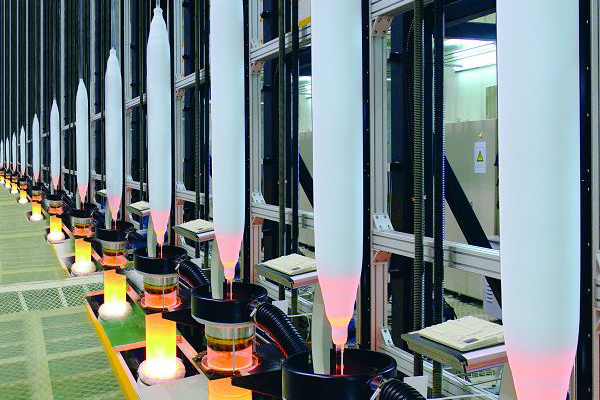
Suitable for Advanced Composite Manufacturing Processes
Modern radar radomes are often produced using composite materials because composites can provide a combination of strength, lightweight design, and electromagnetic performance.
High grade Q-glass fabric works effectively as reinforcement material in composite manufacturing processes. Its stable fiber structure helps manufacturers achieve consistent material performance during production.
For companies producing customized radar protection systems, material consistency is an important factor. Reliable raw materials can improve manufacturing efficiency, reduce variation between products, and support stable quality.
SHENJIU focuses on quartz fiber material development and manufacturing, providing Q-glass fabric and related quartz fiber solutions for customers requiring high-performance materials in specialized applications.
Supporting Different Radar Application Scenarios
Radar technology is used across many industries, and each application has different requirements for radome materials.
In aviation, radar systems require materials that support accurate communication and monitoring functions. In marine applications, radomes must handle moisture, salt environments, and continuous outdoor exposure. In weather monitoring systems, stable signal transmission is important for accurate data collection.
High grade Q-glass fabric can provide material advantages for these applications by combining electromagnetic performance, durability, and environmental stability.
For engineering teams, choosing the right material at the early design stage can improve product reliability and simplify later manufacturing processes.
Choosing a Professional Q-Glass Fabric Supplier
Selecting the right material supplier is an important part of successful radar radome manufacturing. Beyond product specifications, manufacturers should consider production experience, material consistency, technical support, and customization capability.
A professional supplier can help customers choose suitable fiber materials based on application requirements, manufacturing methods, and performance expectations.
SHENJIU provides quartz fiber products and customized material solutions for industrial applications that require high performance and reliability. With experience in quartz fiber manufacturing, SHENJIU supports customers looking for stable Q-glass fabric supply for radar radome and other advanced composite applications.
Working with an experienced supplier allows manufacturers to better control material quality and improve the efficiency of product development.
Building More Reliable Radar Systems Through Advanced Materials
As radar technology continues to develop, the demand for high-performance materials will continue to grow. The right material choice directly influences radar system reliability, signal performance, and service life.
High grade Q-glass fabric provides a practical solution for radar radome manufacturing by combining excellent dielectric properties, thermal stability, mechanical strength, and composite compatibility.
For businesses involved in radar equipment, communication systems, and advanced composite manufacturing, selecting reliable Q-glass fabric is an important step toward creating high-quality products.
With professional material support from manufacturers such as SHENJIU, companies can develop radar radome solutions that meet modern industry requirements while maintaining stable performance in real-world applications.
Aug-10-2026