


Low DF quartz fiber has become an essential material in advanced industries such as high-frequency electronics, aerospace, and precision communication systems. The term “DF” refers to dielectric factor, also known as dissipation factor, which measures how much electrical energy is lost as heat during signal transmission. A low DF value indicates minimal signal loss, making quartz fiber highly desirable for applications where signal integrity is critical.
However, not all low DF quartz fibers deliver the same level of performance. Before making a purchasing decision, it is important to evaluate several technical and quality-related factors to ensure the material meets your specific requirements. Careful selection not only improves performance but also enhances long-term reliability.
Verify Dielectric Factor Specifications
The most fundamental parameter to check is the dielectric factor itself. Low DF quartz fiber should have a consistently low dissipation factor across the intended frequency range.
Buyers should request detailed test data, including DF values measured under standardized conditions. It is also important to confirm whether the reported values apply to the actual operating frequency of your application, as dielectric performance can vary with frequency.
Reliable suppliers provide transparent and verifiable data, ensuring that the fiber meets the expected electrical performance criteria.
Evaluate Dielectric Constant Stability
In addition to DF, the dielectric constant is another critical parameter. A stable and low dielectric constant ensures consistent signal propagation and reduces latency in high-frequency systems.
Fluctuations in dielectric constant can lead to signal distortion and reduced efficiency. Therefore, it is essential to choose quartz fiber that maintains stable dielectric properties across different temperatures and frequencies.
Check Material Purity Levels
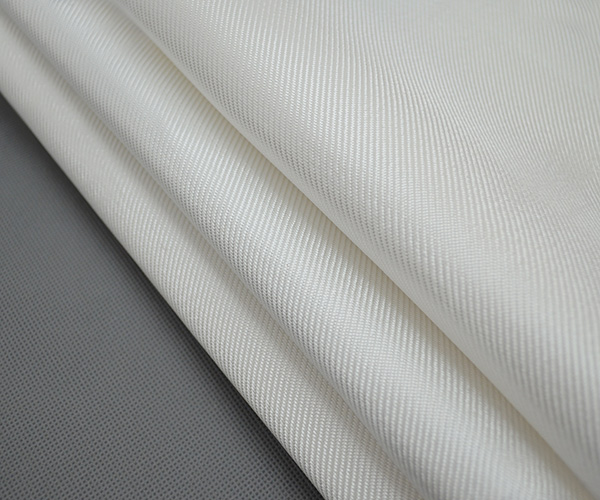
High purity is a defining characteristic of quality quartz fiber. Typically, low DF quartz fibers are manufactured from ultra-high purity silica, often exceeding 99.9 percent SiO₂ content.
Impurities can significantly impact both dielectric performance and thermal stability. Even trace amounts of metallic or chemical contaminants may increase signal loss. Always review material composition reports and ensure that the fiber meets strict purity standards.
Assess Fiber Diameter and Uniformity
Fiber diameter plays a crucial role in determining both electrical and mechanical performance. For low DF quartz fiber, consistent diameter ensures uniform signal behavior and reliable processing.
Variations in fiber thickness can lead to inconsistencies in composite structures, affecting overall system performance. High-quality fibers are produced with tight tolerances and undergo rigorous quality control to ensure uniformity.
Review Thermal Performance
Low DF quartz fiber is often used in environments where temperature fluctuations are common. Therefore, thermal performance is an important consideration.
High-quality quartz fibers should maintain stable dielectric properties even at elevated temperatures. Check the continuous operating temperature and thermal cycling performance to ensure the material can withstand your application conditions without degradation.
Analyze Mechanical Properties
Although electrical performance is a primary focus, mechanical strength should not be overlooked. Quartz fiber must be able to endure handling, processing, and operational stresses.
Key properties to evaluate include tensile strength, flexibility, and resistance to breakage. Strong and durable fibers contribute to the overall reliability of composite materials and reduce the risk of failure during use.
Inspect Surface Quality
Surface quality directly affects both processing and performance. Smooth, clean fibers promote better bonding with resin systems and reduce the likelihood of defects in the final composite.
Surface imperfections such as micro-cracks or contamination can negatively impact dielectric performance and mechanical strength. High-quality fibers are manufactured under controlled conditions to ensure minimal defects.
Confirm Chemical Resistance
Quartz fiber is often exposed to various environmental conditions, including chemicals and moisture. Low DF quartz fiber should exhibit strong resistance to chemical degradation.
This ensures that the material maintains its dielectric and mechanical properties over time. Reviewing chemical resistance data and real-world application performance can provide valuable insights into long-term durability.
Compatibility with Resin Systems
In most applications, quartz fiber is used as reinforcement in composite materials. Therefore, compatibility with resin systems is essential.
Low DF quartz fiber should bond effectively with commonly used resins such as epoxy or high-performance thermosetting systems. Good compatibility ensures strong interfacial bonding, which enhances both electrical and mechanical performance.
Evaluate Manufacturing Standards
Manufacturing quality has a direct impact on fiber performance. Reputable suppliers follow strict production standards and implement comprehensive quality control processes.
Certifications such as ISO standards indicate consistency and reliability. Buyers should also look for traceability and documentation that verify production quality and testing procedures.
Review Testing Methods and Data Transparency
Accurate and reliable testing is essential when evaluating low DF quartz fiber. Suppliers should provide detailed test reports that include measurement methods, conditions, and standards used.
Transparency in data allows buyers to make informed decisions and compare materials effectively. It also reflects the supplier’s commitment to quality and accountability.
Consider Packaging and Storage Conditions
Proper packaging and storage are crucial for maintaining fiber quality before use. Quartz fiber should be protected from moisture, dust, and mechanical damage during transportation and storage.
High-quality suppliers use clean, secure packaging and provide clear handling instructions. Ensuring proper storage conditions helps preserve the fiber’s performance characteristics.
Supplier Expertise and Technical Support
Choosing the right supplier is just as important as selecting the right material. Experienced suppliers offer valuable technical support, helping buyers select the most suitable fiber for their specific applications.
They can provide guidance on material selection, processing techniques, and performance optimization. Building a relationship with a knowledgeable supplier enhances overall project success.
Application-Specific Requirements
Different applications have unique requirements, and it is important to align material selection with these needs. For example, high-frequency communication systems prioritize low dielectric loss, while aerospace applications may emphasize thermal resistance and mechanical strength.
Understanding your application’s priorities allows you to select the most appropriate low DF quartz fiber and achieve optimal performance.
Long-Term Reliability and Cost Efficiency
While initial cost is an important factor, long-term reliability should be a primary consideration. High-quality low DF quartz fiber may offer better performance and durability, reducing maintenance and replacement costs over time.
Investing in reliable materials ensures consistent performance and contributes to overall cost efficiency throughout the product lifecycle.
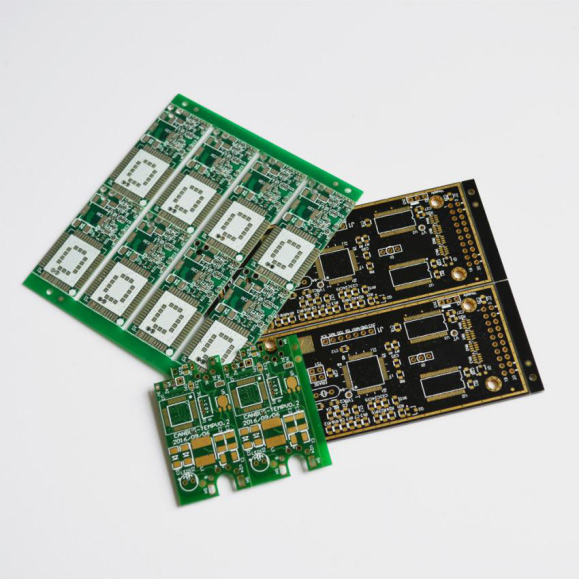
Before buying low DF quartz fiber, it is essential to evaluate multiple factors, including dielectric performance, material purity, mechanical strength, and manufacturing quality. Each of these elements plays a critical role in determining the fiber’s overall performance and suitability for your application.
By focusing on verified data, supplier expertise, and application-specific requirements, buyers can make informed decisions that ensure high performance and long-term reliability. Careful selection not only enhances product quality but also supports the success of advanced technological applications.
Apr-17-2026