


Quartz wool materials are widely used in high-temperature insulation, laboratory filtration, industrial processing, semiconductor manufacturing, aerospace systems, and advanced thermal applications. As industries continue to demand materials with higher purity, better thermal stability, and longer service life, quartz wool has become an important solution for engineers, manufacturers, and research facilities.
Before purchasing quartz wool materials, it is important to understand their properties, application requirements, and performance advantages. Choosing the right quartz wool can improve efficiency, extend equipment lifespan, and support consistent operation in demanding environments.
Understanding Quartz Wool Materials
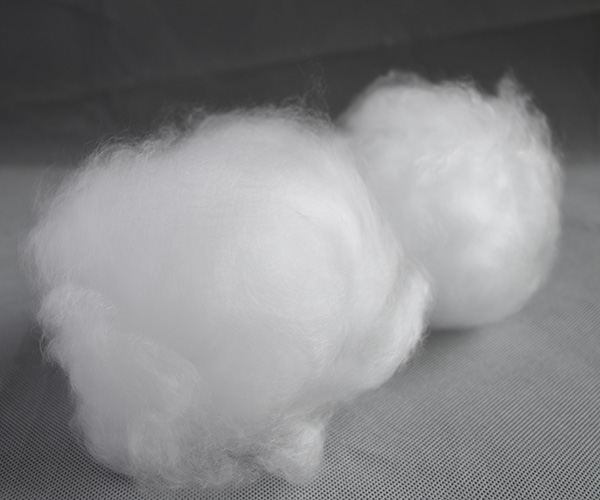
Quartz wool is a fibrous material produced from high-purity quartz glass. It is known for its excellent resistance to heat, chemical stability, and low thermal conductivity. Unlike conventional insulation materials, quartz wool performs reliably under extreme temperatures while maintaining structural integrity.
One of the key reasons industries choose quartz wool is its purity. High-purity quartz wool contains very low levels of metallic impurities, making it suitable for semiconductor processing, analytical laboratories, and precision manufacturing applications. The material can also resist thermal shock, which allows it to perform effectively in environments with rapid temperature fluctuations.
Quartz wool is commonly available in different densities, fiber diameters, and thicknesses. These variations allow users to select products that match their specific insulation, filtration, or thermal management needs.
Key Performance Features to Consider
When buying quartz wool materials, understanding the main performance characteristics can help ensure the best selection for your project or application.
High Temperature Resistance
Quartz wool is designed to withstand elevated temperatures without losing performance. Many grades can operate continuously in extremely hot environments, making them ideal for furnaces, kilns, industrial reactors, and laboratory heating systems.
The thermal stability of quartz wool helps reduce heat loss and improves energy efficiency. For applications involving thermal insulation, selecting a material with stable performance at the required operating temperature is essential.
Chemical Stability
Another important feature is chemical resistance. Quartz wool performs well in environments exposed to acids, moisture, and corrosive gases. This stability makes it suitable for laboratory filtration systems, chemical processing equipment, and industrial exhaust systems.
For industries that require contamination control, such as electronics or semiconductor manufacturing, chemical purity and resistance are particularly important.
Low Thermal Conductivity
Quartz wool provides excellent insulation because of its low thermal conductivity. This helps maintain stable temperatures in industrial systems while reducing energy consumption.
Materials with lower thermal conductivity are often preferred in thermal protection systems, aerospace insulation, and high-efficiency industrial equipment.
Lightweight Structure
Despite its heat resistance, quartz wool remains lightweight and flexible. This allows easier installation and handling compared with heavier insulation materials. Lightweight insulation can also help reduce the overall load in industrial systems and specialized equipment.
Choosing the Right Quartz Wool for Different Applications
Quartz wool materials are used across many industries, and each application may require different product specifications.
Laboratory and Analytical Applications
In laboratories, quartz wool is frequently used for filtration, gas analysis, and sample preparation. High purity is critical in these applications because contaminants can affect analytical accuracy.
Users should look for quartz wool materials with consistent fiber structure and minimal impurities to ensure reliable laboratory performance.
Industrial Thermal Insulation
Industrial facilities use quartz wool for insulating high-temperature equipment such as furnaces, pipelines, reactors, and heating chambers. In these environments, durability and long-term thermal stability are important purchasing considerations.
Higher-density quartz wool may provide improved insulation efficiency and better mechanical stability in industrial operations.
Semiconductor and Electronics Manufacturing
Quartz wool is widely used in semiconductor production due to its purity and thermal resistance. Semiconductor environments require materials that can withstand heat while minimizing contamination risks.
When purchasing quartz wool for electronics manufacturing, selecting ultra-high-purity products is essential for maintaining process consistency.
Aerospace and Advanced Engineering
Aerospace systems often require lightweight materials capable of tolerating extreme thermal conditions. Quartz wool can help improve thermal protection while reducing structural weight.
Engineers may select quartz wool based on temperature resistance, insulation efficiency, and compatibility with surrounding materials.
Important Factors That Affect Product Quality
Not all quartz wool materials offer the same level of performance. Buyers should evaluate several factors before making a purchasing decision.
Purity Level
Purity directly affects thermal stability, contamination control, and application reliability. High-purity quartz wool is especially important in semiconductor, electronics, and laboratory industries.
Manufacturers typically provide purity specifications, which can help buyers compare products more effectively.
Fiber Diameter
Fiber diameter influences flexibility, filtration performance, and insulation efficiency. Fine fibers may improve thermal insulation and filtration capabilities, while coarser fibers can provide additional structural strength.
Selecting the correct fiber diameter depends on the intended application requirements.
Density and Thickness
Different densities and thicknesses affect insulation performance and mechanical stability. Thicker materials generally offer stronger insulation properties, while lighter materials may be preferred for applications requiring flexibility or reduced weight.
Understanding operational requirements can help determine the most suitable product specifications.
Manufacturing Consistency
Consistent manufacturing quality ensures uniform performance across the material. Reliable suppliers usually maintain strict quality control processes to ensure stable fiber structure, purity, and thermal performance.
Buyers should consider suppliers with strong production standards and technical expertise.
Benefits of Working with Reliable Quartz Wool Suppliers
Choosing a trusted supplier can improve product consistency, technical support, and long-term operational reliability. Experienced manufacturers often provide detailed technical specifications, customization options, and application guidance.
Reliable suppliers may also offer different quartz wool grades designed for specific industries, helping customers find the best solution for their needs.
In addition, suppliers with advanced production capabilities are more likely to deliver materials with stable purity, controlled fiber dimensions, and dependable thermal performance.
Future Demand for Quartz Wool Materials
As industries continue to advance in semiconductor technology, renewable energy, aerospace engineering, and industrial manufacturing, demand for high-performance insulation materials is expected to grow.
Quartz wool materials are increasingly valued for their combination of thermal resistance, lightweight structure, and chemical stability. These advantages make quartz wool an important material for next-generation industrial systems and precision manufacturing processes.
Companies investing in advanced thermal management solutions are likely to continue adopting quartz wool for high-temperature and high-purity applications.
Before buying quartz wool materials, it is important to evaluate purity, thermal resistance, density, fiber diameter, and manufacturing quality. Understanding the specific requirements of your application can help ensure better performance, improved efficiency, and longer service life.
Whether used in laboratory filtration, semiconductor manufacturing, industrial insulation, or aerospace engineering, quartz wool offers reliable thermal protection and stable performance under demanding conditions. Selecting high-quality quartz wool materials from experienced suppliers can help support consistent results and long-term operational success.
May-09-2026