


Fused quartz wool is a high-performance material widely used in industrial applications requiring excellent thermal insulation, chemical resistance, and mechanical stability. Its unique properties make it a reliable choice for high-temperature processes, precision manufacturing, and energy-efficient systems. Understanding the technical characteristics, handling requirements, and application considerations is essential for professionals and engineers looking to maximize operational efficiency.
Understanding Fused Quartz Wool
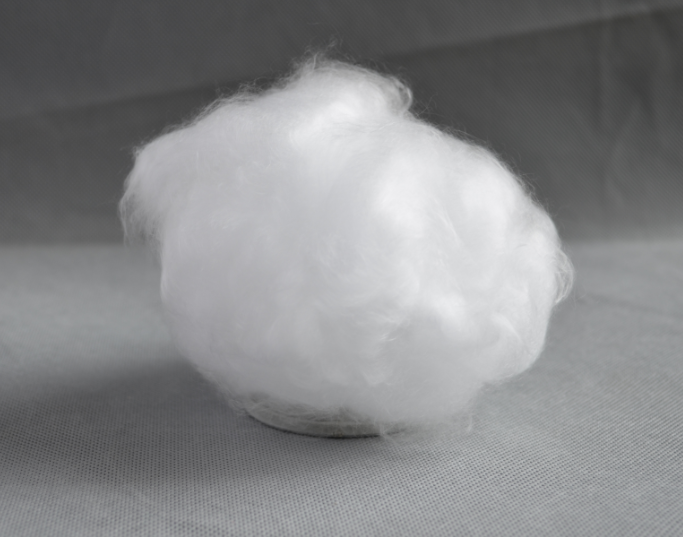
Fused quartz wool is composed of high-purity quartz fibers that are melted and spun into fine wool-like strands. This process ensures uniformity in fiber diameter, high tensile strength, and exceptional heat resistance. The material is lightweight, flexible, and chemically inert, making it ideal for insulation applications and reinforcement in high-performance composites.
The structural uniformity of fused quartz wool allows consistent performance in environments with extreme temperatures, chemical exposure, and mechanical stress. Its low thermal expansion coefficient also ensures dimensional stability under varying operational conditions.
Key Technical Specifications
When selecting fused quartz wool, understanding its technical specifications is crucial:
-
Fiber Composition: High-purity quartz ensuring minimal impurities and consistent thermal performance.
-
Density and Bulk Properties: Lightweight structure that supports excellent insulating efficiency while maintaining mechanical stability.
-
Thermal Resistance: Capable of withstanding high temperatures up to 1100°C or higher, depending on specific formulations.
-
Chemical Inertness: Resistant to acids, alkalis, and solvents, allowing for long-term industrial use.
-
Mechanical Strength: Flexible yet strong, able to resist compression and maintain structural integrity in high-stress applications.
-
Dimensional Stability: Minimal shrinkage or deformation when exposed to thermal cycling or mechanical load.
These specifications help engineers evaluate the suitability of fused quartz wool for insulation, reinforcement, or energy conservation tasks.
Thermal Performance and Efficiency
The primary advantage of fused quartz wool is its exceptional thermal insulation. Its low thermal conductivity reduces heat transfer, which is critical in furnaces, kilns, reactors, and other high-temperature industrial processes. Effective insulation ensures stable process temperatures, reduces energy consumption, and improves overall operational efficiency.
Incorporating fused quartz wool in thermal systems can enhance process control, prevent heat loss, and contribute to consistent product quality, supporting both cost efficiency and sustainability goals.
Chemical Resistance and Longevity
Fused quartz wool’s chemical inertness makes it suitable for environments exposed to reactive substances. Its stability when in contact with acids, bases, and solvents ensures that insulation and other applications remain reliable over time. This property is particularly beneficial in chemical processing, laboratory environments, and industrial equipment protection.
The durability of fused quartz wool under chemical exposure reduces maintenance frequency, extends service life, and supports consistent operational output.
Mechanical Properties and Structural Stability
While lightweight and flexible, fused quartz wool exhibits high mechanical integrity. It can withstand compression, bending, and vibration without losing structural performance. This makes it ideal for applications where insulation must fit tight spaces, conform to complex geometries, or endure mechanical stress during installation and operation.
The combination of flexibility and strength ensures that insulation layers maintain contact and performance, reducing gaps and improving thermal efficiency.
Applications Across Industries
Fused quartz wool finds use in various industrial sectors:
-
High-Temperature Insulation: For furnaces, kilns, reactors, and heat shields.
-
Composite Reinforcement: Enhances mechanical properties of polymer and ceramic composites.
-
Protective Barriers: Shields sensitive components from extreme temperatures or chemical exposure.
-
Energy-Efficient Systems: Reduces heat loss in industrial processing equipment, contributing to sustainability and cost savings.
-
Laboratory Equipment: Provides insulation and stability in experimental setups requiring precision temperature control.
Its versatility ensures that fused quartz wool can be adapted to multiple operational needs, improving overall process efficiency.
Handling and Storage Guidelines
Proper handling and storage of fused quartz wool are critical to maintaining its performance:
-
Store in dry, clean areas away from moisture, direct sunlight, and contaminants.
-
Handle with care to prevent fiber damage, which can affect insulation uniformity.
-
Avoid compressing the material excessively, as this may reduce thermal performance.
-
Use protective equipment when cutting or shaping fibers to prevent inhalation or skin irritation.
Adhering to these guidelines ensures consistent quality and long-term reliability.
Integration with Industrial Processes
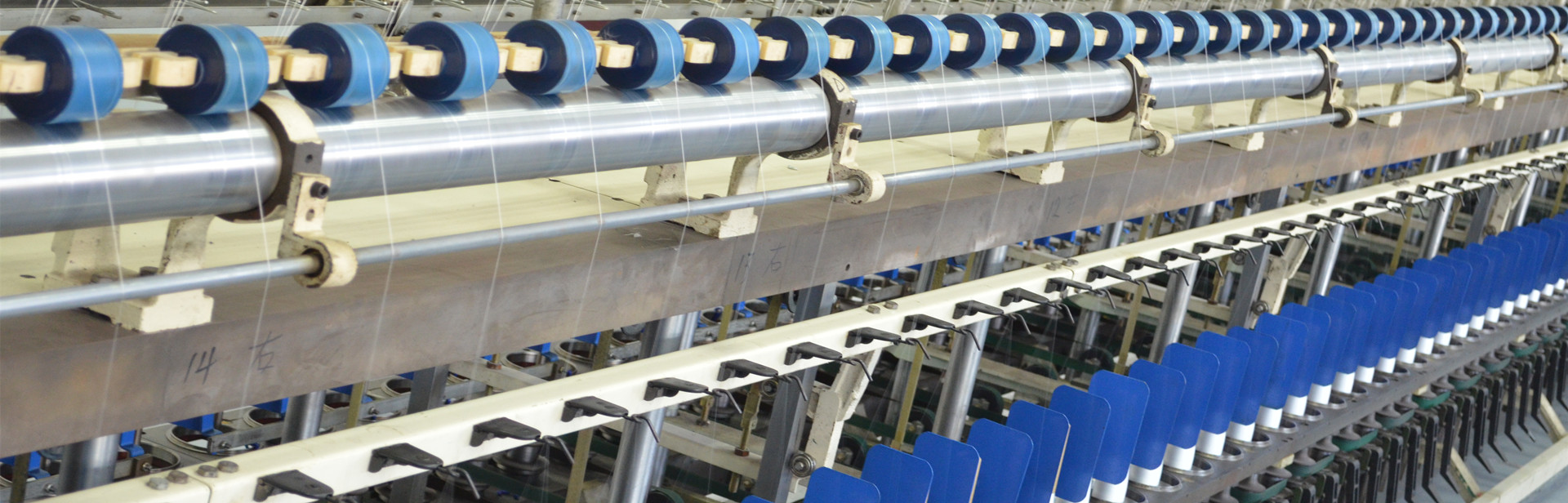
Fused quartz wool can be incorporated into industrial workflows through lamination, lining, and composite reinforcement. Its predictable properties allow engineers to design insulation systems with precise thickness, density, and thermal resistance. Integration into automated processes, such as robotic layup or high-precision assembly, is possible due to the material’s flexibility and uniformity.
Proper integration minimizes installation time, ensures consistent performance, and supports scalable industrial operations.
Quality Assurance and Testing
Maintaining high-quality standards is essential when using fused quartz wool. Testing for fiber diameter, density, thermal conductivity, and mechanical strength helps confirm that the material meets operational requirements. Documentation and quality certification provide confidence in material performance and support compliance with industry regulations.
Regular inspections and testing ensure reliable performance, reduce downtime, and protect investment in high-value industrial equipment.
Future Trends and Innovations
Advances in fused quartz wool production are expanding its industrial applications. Improvements in fiber uniformity, thermal resistance, and mechanical strength enable use in aerospace, renewable energy, advanced electronics, and high-performance composite materials. As industries focus on energy efficiency, durability, and precision manufacturing, fused quartz wool will continue to play a vital role.
Ongoing research ensures that new formulations and processing techniques maintain the material’s performance advantages while supporting sustainability and industrial efficiency.
Fused quartz wool offers a combination of thermal insulation, chemical inertness, mechanical strength, and dimensional stability, making it an essential material for modern industrial applications. Understanding its technical specifications, handling requirements, and integration strategies enables industries to optimize performance, enhance product quality, and increase operational efficiency. By leveraging the unique properties of fused quartz wool, manufacturers can achieve energy savings, process stability, and long-term reliability, supporting sustainable and efficient industrial operations.
Mar-17-2026