


High-precision insulation materials play a critical role in modern industrial manufacturing, aerospace engineering, electronics, semiconductor processing, and thermal protection systems. Among the many advanced insulation materials available today, 5um quartz fiber has become increasingly popular because of its exceptional thermal stability, lightweight structure, and excellent dielectric performance.
Quartz fiber is produced from high-purity silica and processed into ultra-fine filaments with a diameter of approximately 5 micrometers. This fine fiber structure gives the material outstanding flexibility while maintaining excellent heat resistance and mechanical reliability. As industries continue to demand lighter, cleaner, and more efficient thermal insulation materials, 5um quartz fiber is gaining attention for its ability to perform in high-temperature and precision-controlled environments.
Its unique combination of thermal insulation, electrical insulation, chemical stability, and low thermal conductivity makes it suitable for a wide range of advanced applications. From aerospace insulation systems to electronic manufacturing equipment, 5um quartz fiber provides consistent performance under demanding conditions.
Excellent Thermal Resistance for Extreme Environments
One of the primary reasons manufacturers choose 5um quartz fiber is its outstanding thermal resistance. Quartz fibers can maintain structural integrity and insulation performance even under extremely high temperatures. This characteristic is especially important in industries where thermal management directly affects operational stability and product quality.
The high silica purity of quartz fiber allows it to resist thermal shock and sudden temperature fluctuations. In high-precision environments, materials must maintain dimensional stability during repeated heating and cooling cycles. The fine 5um fiber structure helps distribute heat more evenly, reducing thermal stress within the insulation layer.
This material is commonly used in furnace insulation, aerospace thermal shielding, battery thermal management systems, and high-temperature industrial equipment. Its ability to withstand demanding thermal conditions while maintaining low thermal conductivity makes it a preferred insulation solution for advanced engineering applications.
In semiconductor manufacturing and electronic production environments, maintaining stable temperatures is essential for process accuracy. 5um quartz fiber helps improve thermal consistency while reducing heat transfer to surrounding components.
Lightweight Structure with High Efficiency
Modern industries increasingly prioritize lightweight materials to improve efficiency, reduce energy consumption, and optimize equipment performance. One major advantage of 5um quartz fiber is its extremely low density combined with strong thermal insulation capabilities.
The ultra-fine fiber diameter creates a highly porous structure that traps air effectively, improving insulation efficiency without adding excessive weight. This makes the material particularly suitable for aerospace systems, transportation equipment, and precision instruments where weight reduction is essential.
Compared with traditional insulation materials, 5um quartz fiber provides excellent insulation performance while minimizing overall system mass. Lightweight insulation can improve fuel efficiency in aerospace and automotive applications while simplifying installation and handling processes.
The flexible fiber structure also allows manufacturers to produce quartz fiber fabrics, mats, tapes, and composite insulation products that can adapt to various complex geometries and equipment designs.
As industries move toward compact and high-performance equipment, lightweight insulation materials like 5um quartz fiber continue to play an increasingly important role in advanced thermal engineering.
Outstanding Electrical Insulation Properties
In addition to thermal insulation, 5um quartz fiber offers excellent electrical insulation performance. Quartz fiber has very low dielectric constant and dielectric loss characteristics, making it highly suitable for electronic and electrical applications.
High-frequency electronic systems require insulation materials that can maintain signal stability and reduce electromagnetic interference. The purity and structural consistency of quartz fiber help support reliable electrical performance even in demanding environments.
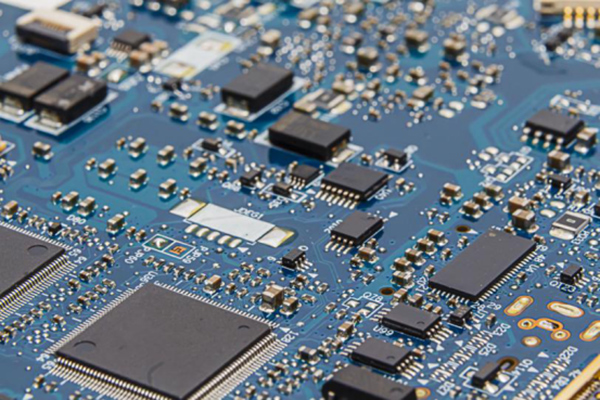
This material is widely used in printed circuit board manufacturing, semiconductor processing equipment, communication systems, and advanced electronic insulation components.
As electronic devices continue to become smaller and more powerful, insulation materials must provide both thermal management and electrical stability. 5um quartz fiber meets these requirements by combining heat resistance with excellent dielectric properties.
Its resistance to moisture absorption also contributes to long-term electrical reliability, helping maintain stable insulation performance in humid or changing environmental conditions.
Chemical Stability and Long-Term Durability
Durability is another key advantage of 5um quartz fiber for high-precision insulation applications. Industrial environments often expose insulation materials to chemicals, oxidation, humidity, and continuous thermal cycling.
Quartz fiber demonstrates excellent chemical stability and corrosion resistance, allowing it to maintain performance over long operating periods. Its high-purity silica composition helps reduce contamination risks, which is especially important in semiconductor manufacturing, laboratory environments, and precision production systems.
The material also resists aging and structural degradation under high-temperature conditions. This long-term durability reduces maintenance frequency and supports consistent operational performance.
For industries requiring clean manufacturing processes, quartz fiber is particularly attractive because of its low impurity content and stable physical properties. Maintaining cleanliness and minimizing particle contamination are critical factors in many high-tech production environments.
Because of these characteristics, 5um quartz fiber is increasingly used in advanced industrial insulation systems that demand reliability, precision, and long service life.
Applications of 5um Quartz Fiber in Modern Industries
The versatility of 5um quartz fiber allows it to be used across many industries requiring high-performance insulation solutions.
In aerospace engineering, quartz fiber is used in thermal protection systems, engine insulation, and lightweight composite structures. Its combination of heat resistance and low weight makes it ideal for aircraft and spacecraft applications.
In the semiconductor industry, quartz fiber supports high-temperature processing equipment and cleanroom insulation systems. Stable thermal performance helps maintain manufacturing precision and process consistency.
Electronics manufacturers use quartz fiber in PCB production, electrical insulation components, and communication equipment requiring high-frequency stability.
Industrial furnaces and thermal processing systems also benefit from quartz fiber insulation because of its ability to reduce heat loss and improve energy efficiency.
In renewable energy systems and battery technology, 5um quartz fiber contributes to thermal management solutions that support safety and operational efficiency.
As advanced manufacturing technologies continue to evolve, demand for precision insulation materials like quartz fiber is expected to grow steadily.
Why 5um Quartz Fiber Is a Preferred Choice
Choosing the right insulation material is essential for improving efficiency, reliability, and thermal performance in modern engineering applications. 5um quartz fiber stands out because it combines multiple advantages into a single advanced material solution.
Its exceptional heat resistance, lightweight structure, electrical insulation capability, and chemical stability make it suitable for a wide variety of precision insulation applications.
The ultra-fine 5um fiber diameter improves flexibility and insulation efficiency while supporting modern lightweight design requirements. Its high-purity silica composition also ensures consistent performance in demanding industrial environments.
As industries continue focusing on energy efficiency, high-temperature operation, and advanced electronic systems, 5um quartz fiber remains an increasingly valuable material for next-generation insulation technologies.
Manufacturers seeking reliable, high-performance thermal insulation solutions often choose quartz fiber because of its ability to deliver long-term stability, operational safety, and precision performance across diverse applications.
May-18-2026