


Gas filtration plays a critical role in industrial processing, laboratory systems, environmental monitoring, and high-temperature manufacturing applications. Choosing the right filtration material directly affects filtration efficiency, system durability, thermal resistance, and operational stability. Among various filtration media available today, coarse quartz wool has become a widely trusted solution for gas filtration systems that operate under demanding conditions.
Coarse quartz wool is valued for its exceptional heat resistance, chemical stability, low impurity content, and reliable particle-trapping performance. These characteristics make it highly suitable for applications where conventional filtration materials may fail due to high temperatures, corrosive gases, or thermal shock.
This article explores why coarse quartz wool is commonly selected for gas filtration, its key advantages, industrial applications, performance characteristics, and important considerations when choosing quartz wool materials for filtration systems.
What Is Coarse Quartz Wool
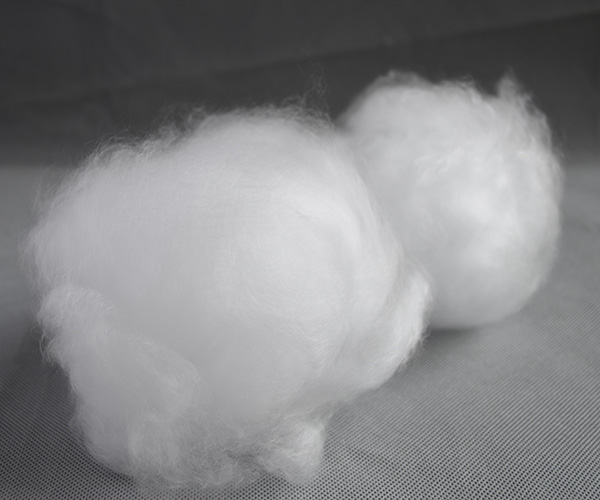
Coarse quartz wool is a fibrous material manufactured from high-purity quartz glass. The fibers are typically thicker and more durable compared to fine quartz wool, making them especially suitable for filtration environments requiring strong structural stability and airflow support.
Quartz wool fibers are composed primarily of silicon dioxide with extremely low impurity levels. This high purity contributes to excellent thermal performance and chemical resistance.
The coarse structure creates interconnected pathways that allow gases to pass through while trapping unwanted particles, contaminants, and solid residues.
Typical characteristics of coarse quartz wool include:
| Property | Description |
|---|---|
| High Temperature Resistance | Performs well in extreme heat |
| Chemical Stability | Resistant to many corrosive gases |
| Low Thermal Expansion | Maintains structural integrity |
| High Purity | Reduces contamination risk |
| Porous Fiber Structure | Supports efficient gas flow |
These properties make coarse quartz wool particularly useful in demanding industrial filtration systems.
Importance of Gas Filtration in Industrial Applications
Gas filtration systems are used across many industries to remove contaminants from gas streams, protect sensitive equipment, improve product quality, and support environmental compliance.
Industries that rely heavily on gas filtration include:
- Semiconductor manufacturing
- Chemical processing
- Metallurgical production
- Environmental testing laboratories
- Petrochemical operations
- Aerospace manufacturing
- Power generation systems
In many of these applications, filtration materials are exposed to high temperatures, acidic gases, moisture, and thermal cycling. Standard filtration materials may degrade quickly under such conditions.
Coarse quartz wool provides a reliable solution because it maintains stability even in harsh operating environments.
Excellent High Temperature Resistance
One of the primary reasons for choosing coarse quartz wool for gas filtration is its outstanding thermal resistance.
Quartz materials can tolerate extremely high temperatures while maintaining their physical structure and filtration performance. Unlike some organic or synthetic filtration materials, quartz wool does not easily melt, deform, or release harmful substances under elevated temperatures.
This makes coarse quartz wool highly suitable for:
- Furnace exhaust filtration
- High-temperature gas sampling
- Thermal processing systems
- Combustion analysis equipment
- Industrial emission control
In applications involving continuous heat exposure, material stability is essential for maintaining consistent filtration efficiency.
The low thermal expansion coefficient of quartz also helps reduce cracking or structural failure caused by rapid temperature changes.
Strong Chemical Resistance
Gas filtration systems often handle chemically aggressive environments containing acids, solvents, combustion byproducts, or reactive gases.
Coarse quartz wool demonstrates strong resistance to many corrosive substances, helping extend filtration system lifespan and reduce maintenance frequency.
Its chemical stability is especially valuable in:
- Acid gas filtration
- Laboratory analytical systems
- Chemical vapor applications
- Industrial exhaust treatment
Because quartz wool contains very low impurity levels, it minimizes unwanted chemical interactions that could contaminate sensitive processes.
This high purity is particularly important in analytical and scientific applications where contamination control is critical.
Efficient Particle Capture Performance
Effective gas filtration depends on the ability to capture particles while maintaining stable airflow.
The fibrous network structure of coarse quartz wool creates multiple pathways for gas movement while trapping suspended particles and contaminants.
Advantages of the coarse fiber structure include:
| Benefit | Impact on Filtration |
|---|---|
| Larger Fiber Diameter | Improves structural durability |
| Porous Design | Supports stable gas flow |
| Particle Retention | Captures contaminants effectively |
| Thermal Stability | Maintains filtration performance at high temperatures |
The balance between airflow and particle retention makes coarse quartz wool suitable for both industrial and laboratory filtration systems.
Low Contamination Risk
In gas analysis, scientific testing, and semiconductor processing, contamination control is extremely important.
Coarse quartz wool is often preferred because of its low metallic impurity content and high chemical purity. This reduces the risk of introducing foreign contaminants into gas streams or sensitive equipment.
Applications requiring ultra-clean filtration conditions often use quartz-based materials because they help maintain process integrity.
Examples include:
- Gas chromatography systems
- Analytical instruments
- Semiconductor manufacturing equipment
- Precision laboratory testing
Using high-purity filtration materials can improve testing accuracy and protect expensive instruments from contamination-related damage.
Durability and Long Service Life
Industrial filtration systems require materials that can withstand continuous operation without frequent replacement.
Coarse quartz wool offers strong mechanical durability due to its thicker fiber structure. Compared with finer filtration fibers, coarse quartz wool is generally more resistant to compression and structural breakdown during prolonged use.
Benefits of long-term durability include:
- Reduced maintenance downtime
- Lower replacement frequency
- Improved operational efficiency
- More stable filtration performance
For industrial operators, durable filtration materials can help reduce overall operating costs.
Applications of Coarse Quartz Wool in Gas Filtration
Coarse quartz wool is widely used in various high-performance filtration applications.
Common uses include:
| Application | Purpose |
|---|---|
| Industrial Exhaust Filtration | Removes particles from hot gas streams |
| Laboratory Gas Sampling | Captures contaminants during testing |
| Furnace Systems | Filters combustion byproducts |
| Environmental Monitoring | Supports air quality analysis |
| Chemical Processing | Protects sensitive equipment |
| Semiconductor Production | Maintains ultra-clean environments |
Its combination of thermal resistance and chemical stability makes it suitable for both industrial and scientific environments.
Factors to Consider When Choosing Coarse Quartz Wool
Selecting the right coarse quartz wool depends on several operational factors.
Important considerations include:
Fiber Density
Higher density materials may improve particle retention but can reduce airflow. Balancing filtration efficiency and gas flow is essential.
Temperature Requirements
Choose quartz wool designed for the expected operating temperature range.
Chemical Exposure
Evaluate compatibility with the gases and chemicals used in the process.
Purity Level
Applications involving analytical systems or semiconductor manufacturing may require ultra-high-purity quartz wool.
Mechanical Strength
Systems with strong gas flow or vibration may benefit from thicker and more durable fiber structures.
Proper material selection helps maximize filtration performance and system reliability.
Environmental and Operational Benefits
Using durable high-temperature filtration materials can contribute to both environmental and operational improvements.
Advantages include:
- Reduced particulate emissions
- Improved process efficiency
- Lower equipment contamination
- Reduced maintenance waste
- Longer filtration system lifespan
As industrial systems increasingly focus on sustainability and operational efficiency, high-performance filtration materials continue to grow in importance.
Coarse quartz wool has become an important material in modern gas filtration systems because of its exceptional thermal resistance, chemical stability, high purity, and reliable particle capture capabilities.
Its ability to maintain filtration performance under harsh operating conditions makes it suitable for industries ranging from chemical processing and environmental monitoring to semiconductor manufacturing and laboratory analysis.
By selecting the appropriate coarse quartz wool for specific gas filtration requirements, industries can improve operational reliability, reduce contamination risks, and enhance long-term filtration efficiency.
For applications involving high temperatures, corrosive gases, or sensitive analytical processes, coarse quartz wool remains one of the most dependable filtration materials available today.
May-13-2026