


As electronic technology continues to evolve, printed circuit boards (PCBs) are becoming smaller, lighter, and more advanced. Modern PCB manufacturing requires materials that can deliver excellent thermal stability, electrical insulation, dimensional precision, and long-term reliability. Among the many high-performance materials used in the electronics industry, Quartz Fabric 0.02mm has become an increasingly valuable solution for PCB applications.
Quartz fabric is manufactured from high-purity quartz fibers and is known for its exceptional heat resistance, low dielectric properties, chemical stability, and mechanical strength. The ultra-thin 0.02mm specification makes it particularly suitable for advanced PCB production where precision and lightweight construction are essential.
This article explores why Quartz Fabric 0.02mm is widely chosen for PCB manufacturing, highlighting its material advantages, industrial applications, and long-term performance benefits.
Excellent Thermal Resistance for PCB Manufacturing
One of the main reasons manufacturers choose Quartz Fabric 0.02mm for PCB production is its outstanding thermal resistance. Electronic devices generate heat during operation, and PCB materials must maintain structural stability under elevated temperatures.
Quartz fabric offers excellent resistance to thermal expansion and can perform reliably in high-temperature manufacturing environments. During PCB lamination, soldering, and thermal processing, the material helps maintain dimensional consistency and reduces the risk of deformation.
The stable thermal characteristics of quartz fabric are especially beneficial in applications involving:
- High-frequency circuit boards
- Multilayer PCBs
- Semiconductor equipment
- Automotive electronics
- Aerospace electronic systems
Its ability to withstand demanding thermal conditions helps improve manufacturing precision and long-term operational reliability.
Superior Electrical Insulation Performance
Electrical insulation is one of the most important requirements in PCB materials. Quartz Fabric 0.02mm provides excellent dielectric properties, making it highly suitable for sensitive electronic applications.
The low dielectric constant and low dielectric loss of quartz fibers help improve signal transmission efficiency while reducing interference. This is particularly valuable for high-speed communication devices and precision electronic systems.
Quartz fabric can support stable electrical performance in products such as:
- 5G communication equipment
- High-speed servers
- Medical electronics
- Industrial control systems
- Advanced computing devices
Reliable insulation performance also contributes to improved safety and operational consistency in electronic products.
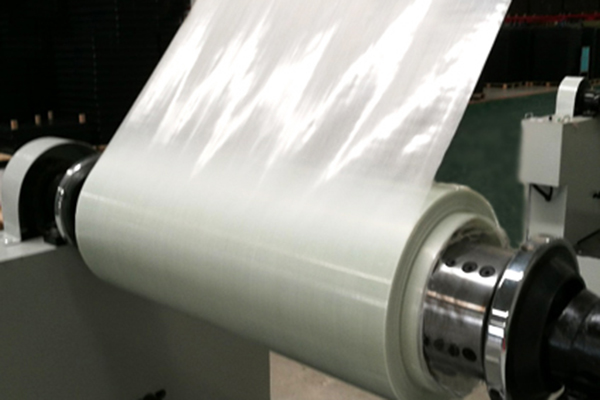
Ultra Thin 0.02mm Structure Improves Precision
The ultra-thin 0.02mm thickness is a major advantage in modern PCB manufacturing. As electronic products continue moving toward miniaturization, thinner reinforcement materials are increasingly important.
Quartz Fabric 0.02mm allows manufacturers to create lightweight and compact PCB structures without sacrificing strength or stability. The thin material profile supports precise layer integration in multilayer PCB systems.
Benefits of the ultra-thin structure include:
| Feature | Benefit |
|---|---|
| Thin Material Design | Supports compact electronics |
| Lightweight Structure | Reduces total product weight |
| Uniform Thickness | Improves PCB consistency |
| High Flexibility | Supports advanced PCB layouts |
| Precision Reinforcement | Enhances structural reliability |
This level of precision is highly valuable for smartphones, wearable electronics, compact sensors, and advanced consumer devices.
Outstanding Dimensional Stability
Dimensional stability is essential for PCB manufacturing accuracy. Quartz Fabric 0.02mm maintains excellent stability under temperature fluctuations and mechanical stress.
Stable dimensions help manufacturers achieve accurate circuit alignment and reduce production variation during PCB fabrication. This becomes increasingly important in high-density electronic designs where even small dimensional changes can affect performance.
Quartz fibers naturally exhibit low thermal expansion characteristics, helping the material maintain shape consistency during production and operation.
This stability supports:
- Fine circuit pattern accuracy
- Reliable multilayer bonding
- Consistent electronic performance
- Improved production efficiency
For manufacturers seeking reliable processing stability, quartz fabric provides an excellent solution.
Excellent Chemical Resistance
PCB manufacturing environments often involve exposure to chemicals, solvents, cleaning agents, and moisture. Quartz Fabric 0.02mm offers excellent chemical resistance, helping maintain material performance throughout the manufacturing process.
The high-purity quartz composition provides strong resistance to corrosion and chemical degradation. This helps preserve insulation performance and structural integrity over extended operational periods.
Chemical resistance is especially valuable for applications involving:
- Industrial electronics
- Automotive PCB systems
- Harsh environmental conditions
- High-humidity operating environments
Long-term material durability contributes to improved product lifespan and reduced maintenance concerns.
High Mechanical Strength with Lightweight Performance
Although Quartz Fabric 0.02mm is extremely thin, it still offers impressive mechanical strength. The material can reinforce PCB structures effectively while maintaining lightweight characteristics.
The combination of strength and low weight supports advanced electronic product designs where portability and durability are equally important.
Applications benefiting from this balance include:
- Aerospace electronics
- Portable medical equipment
- Consumer electronics
- Smart devices
- Communication modules
Mechanical reinforcement also helps improve handling performance during PCB manufacturing and assembly.
Suitable for High Frequency PCB Applications
Modern communication technologies require PCB materials capable of supporting high-frequency signal transmission. Quartz Fabric 0.02mm is highly suitable for these applications because of its low dielectric properties and signal stability.
In high-frequency systems, reducing signal loss and maintaining transmission integrity are critical. Quartz fabric helps improve signal quality while supporting faster data processing and stable communication performance.
Industries commonly using quartz fabric in high-frequency PCB systems include:
- Telecommunications
- Radar systems
- Aerospace electronics
- Satellite communication
- Data transmission equipment
As high-speed electronics continue advancing, quartz-based materials are becoming increasingly important in next-generation PCB technology.
Reliable Performance in Advanced Electronics
Advanced electronic systems require materials capable of maintaining performance under complex operating conditions. Quartz Fabric 0.02mm supports reliability through its thermal stability, insulation performance, dimensional precision, and mechanical durability.
The material is commonly integrated into sophisticated PCB systems used in:
- Artificial intelligence equipment
- Advanced automotive electronics
- Precision sensors
- Industrial automation systems
- Scientific instruments
Manufacturers value quartz fabric for its ability to support long-term operational stability in demanding electronic applications.
Environmental and Manufacturing Advantages
Quartz materials are known for their purity and stability, which contribute to cleaner manufacturing environments and consistent production quality.
The lightweight structure of Quartz Fabric 0.02mm also helps improve manufacturing efficiency by supporting thinner PCB designs and reducing material load in electronic assemblies.
Additional manufacturing benefits include:
- Consistent material quality
- Smooth lamination performance
- Reduced processing deformation
- Enhanced production precision
- Improved product reliability
These advantages make quartz fabric a preferred reinforcement material for many advanced PCB manufacturers.
Future Potential of Quartz Fabric in PCB Technology
As electronic devices continue becoming smaller and more powerful, demand for advanced PCB materials is expected to grow. Quartz Fabric 0.02mm is well positioned to support future developments in high-frequency communication, wearable electronics, artificial intelligence systems, and aerospace technology.
Its combination of thermal resistance, lightweight performance, electrical insulation, and precision structure aligns closely with the evolving requirements of next-generation electronics.
Manufacturers seeking reliable and future-ready PCB reinforcement materials increasingly recognize the long-term value of quartz fabric solutions.
Quartz Fabric 0.02mm has become an important material choice for modern PCB manufacturing because of its exceptional thermal stability, excellent electrical insulation, lightweight structure, dimensional precision, and high-frequency performance.
Its ultra-thin design supports compact electronic products while maintaining mechanical strength and operational reliability. From telecommunications and automotive electronics to aerospace systems and advanced computing devices, quartz fabric continues to play a valuable role in next-generation PCB technology.
As the electronics industry advances toward higher performance and greater miniaturization, Quartz Fabric 0.02mm offers a dependable and efficient solution for manufacturers seeking long-term PCB reliability and precision.
May-14-2026