


High temperature industrial applications require materials that can maintain strength, stability, and reliability under demanding conditions. From thermal insulation systems to aerospace manufacturing and industrial protection equipment, selecting the right heat resistant material directly affects operational safety and long-term performance. Among the many advanced materials used today, M9 fabric has gained significant attention because of its excellent thermal resistance, lightweight structure, and stable mechanical properties.
As industries continue moving toward higher operating temperatures and more complex production environments, M9 fabric has become an increasingly preferred solution for engineers, manufacturers, and industrial designers. Its ability to withstand extreme heat while maintaining dimensional stability makes it suitable for a wide range of high performance applications.
Understanding What M9 Fabric Is
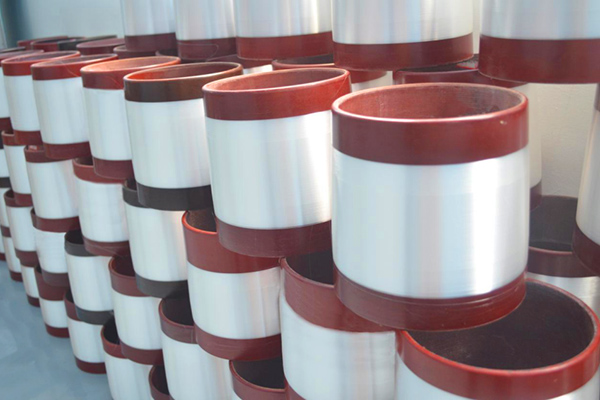
M9 fabric is a specialized high temperature textile engineered for demanding industrial environments. It is typically manufactured using advanced heat resistant fibers designed to provide excellent thermal insulation, low thermal conductivity, and long-term durability under elevated temperatures.
The fabric structure is carefully designed to balance flexibility with mechanical strength. This allows the material to perform well in applications requiring both heat resistance and structural stability. Depending on manufacturing specifications, M9 fabric may also feature excellent chemical resistance, low moisture absorption, and strong electrical insulation properties.
Because of these characteristics, M9 fabric is widely used in industries where traditional materials may lose performance when exposed to prolonged heat or thermal cycling.
Excellent Heat Resistance Performance
One of the primary reasons M9 fabric is popular in high temperature environments is its outstanding thermal resistance. Industrial systems operating at elevated temperatures require materials that can tolerate continuous heat exposure without melting, deforming, or losing structural integrity.
M9 fabric is engineered to maintain stable performance under demanding thermal conditions. Its heat resistance allows it to function effectively in insulation systems, thermal barriers, protective coverings, and industrial processing equipment. Even under repeated heating and cooling cycles, the material can maintain consistent physical properties.
This stability is especially important in applications where thermal fluctuations are common. Materials exposed to rapid temperature changes often experience expansion, contraction, or cracking over time. M9 fabric helps minimize these issues due to its strong dimensional stability and thermal durability.
The ability to maintain reliable performance in extreme heat conditions has made M9 fabric increasingly valuable across industries focused on operational safety and equipment longevity.
Lightweight Structure With Strong Mechanical Properties
Another important advantage of M9 fabric is its combination of lightweight construction and high mechanical strength. Many industrial applications require materials that provide strong heat resistance without adding unnecessary weight to equipment or systems.
The lightweight nature of M9 fabric improves installation efficiency and reduces overall structural load. This is particularly beneficial in aerospace, automotive, and advanced manufacturing environments where weight reduction contributes to improved operational efficiency and energy savings.
Despite its relatively low weight, M9 fabric maintains strong tensile strength and structural stability. It can withstand mechanical stress, vibration, and handling during industrial operations while continuing to provide reliable thermal protection.
This balance between strength and weight makes M9 fabric highly versatile for applications requiring both mobility and durability.
Strong Thermal Insulation Capabilities
Thermal insulation plays a critical role in many industrial environments. Efficient insulation materials help reduce heat transfer, improve energy efficiency, and maintain safer working conditions around high temperature equipment.
M9 fabric offers strong thermal insulation performance due to its fiber composition and engineered textile structure. By limiting heat transfer, the material helps protect surrounding components and supports stable operating temperatures in industrial systems.
In manufacturing facilities and processing plants, effective insulation can also contribute to lower energy consumption by reducing heat loss. This improves overall system efficiency and may help extend the lifespan of nearby components exposed to elevated temperatures.
The insulation performance of M9 fabric makes it suitable for applications such as thermal shields, insulation wraps, furnace linings, protective covers, and industrial sealing systems.
Resistance to Thermal Cycling
Many industrial environments involve repeated heating and cooling cycles. Materials that cannot tolerate thermal cycling may gradually weaken, crack, or lose performance over time.
M9 fabric is valued for its ability to withstand repeated temperature fluctuations while maintaining mechanical and thermal stability. This characteristic is particularly important in industries where equipment experiences frequent operational changes or intermittent high temperature exposure.
Resistance to thermal cycling helps improve reliability and reduces the need for frequent material replacement. For manufacturers and industrial operators, this contributes to lower maintenance requirements and improved long-term operational efficiency.
Stable performance under changing temperature conditions is one of the key reasons M9 fabric continues gaining popularity in demanding industrial applications.
Chemical Stability in Harsh Industrial Environments
In addition to heat resistance, many industrial applications require materials capable of resisting chemical exposure and environmental stress. Industrial facilities often involve oils, solvents, moisture, and airborne contaminants that may affect material performance over time.
M9 fabric is often selected because of its strong chemical stability and resistance to environmental degradation. Depending on the specific formulation, the material may resist corrosion, oxidation, and chemical interaction under high temperature conditions.
This combination of thermal and chemical resistance expands the range of industries where M9 fabric can be used effectively. Stable material performance contributes to improved safety, reduced maintenance frequency, and longer service life in demanding environments.
Applications of M9 Fabric in High Temperature Industries
The versatility of M9 fabric has led to its adoption across multiple industries requiring reliable high temperature materials.
In aerospace applications, lightweight thermal protection materials are essential for maintaining safety and efficiency. M9 fabric may be used in insulation systems, heat shielding, and protective components exposed to elevated temperatures.
In industrial manufacturing, the fabric is commonly applied in furnace insulation, thermal curtains, welding protection, and high temperature processing equipment. Its ability to maintain structural integrity under continuous heat exposure supports reliable industrial operations.
Automotive and transportation industries also benefit from heat resistant fabrics used in thermal barriers, engine compartment insulation, and protective systems designed to manage high operating temperatures.
Electronics and electrical systems may also utilize M9 fabric due to its thermal insulation and electrical stability. As modern electronic systems become more compact and generate higher operating temperatures, advanced heat resistant materials continue becoming increasingly important.
Why Industries Continue Choosing M9 Fabric
The growing demand for high performance thermal materials has increased interest in advanced industrial fabrics capable of meeting modern engineering requirements. M9 fabric continues gaining popularity because it combines several critical advantages into a single material solution.
Its excellent heat resistance, lightweight construction, thermal insulation capability, mechanical durability, and environmental stability make it highly adaptable across different industrial sectors. The ability to perform consistently under extreme conditions helps manufacturers improve safety, efficiency, and operational reliability.
As industries continue advancing toward higher temperatures, faster production systems, and more demanding operating environments, materials like M9 fabric are expected to play an increasingly important role in industrial design and thermal management systems.
M9 fabric has become a widely recognized material in high temperature environments because of its strong combination of thermal resistance, lightweight structure, insulation performance, and long-term durability. Its ability to maintain stable performance under extreme heat and repeated thermal cycling makes it suitable for a broad range of industrial applications.
From aerospace and manufacturing to automotive and advanced thermal protection systems, M9 fabric supports safer and more efficient operations in demanding environments. As industrial technologies continue evolving, the demand for reliable heat resistant materials will likely continue growing, further increasing the importance of advanced fabrics like M9 in modern engineering applications.
May-11-2026