


Quartz fiber fabric is increasingly recognized as a high-performance material across multiple industries. Its unique combination of thermal stability, mechanical strength, chemical resistance, and electrical insulation properties makes it an ideal choice for demanding applications in electronics, aerospace, automotive, and energy sectors. Understanding the reasons behind its superior performance allows engineers, manufacturers, and designers to make informed decisions when selecting materials for advanced industrial applications.
This article provides an in-depth overview of quartz fiber fabric, highlighting its performance advantages, practical applications, and future potential in modern industries.
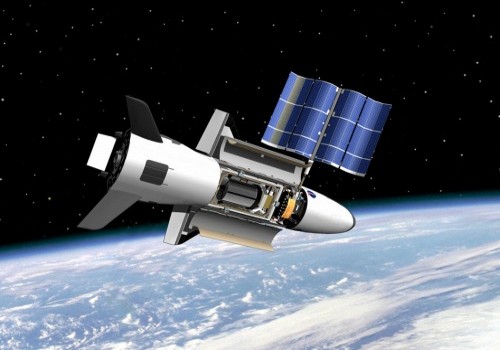
Exceptional Thermal Stability
One of the primary reasons quartz fiber fabric outperforms other materials is its exceptional thermal stability. Quartz fibers are capable of withstanding extremely high temperatures without losing structural integrity. This property is particularly important in environments where heat exposure is consistent or intense.
In aerospace applications, quartz fiber fabric is often used for thermal insulation panels and engine components, where it protects critical systems from extreme heat. In electronics, it ensures that substrates and insulation materials do not degrade during high-temperature processes, maintaining device performance and longevity.
The ability to maintain performance under thermal stress distinguishes quartz fiber fabric from traditional materials such as fiberglass or polymer fabrics, which may soften, warp, or lose strength when exposed to high temperatures.
High Mechanical Strength
Quartz fiber fabric is known for its excellent mechanical properties. Its high tensile strength and stiffness allow it to reinforce composite materials and structural components effectively.
In industrial applications, quartz fiber fabric can be incorporated into laminates, sheets, and composite panels to enhance durability and resistance to mechanical stress. For example, in automotive and aerospace industries, it reinforces parts that experience vibration, impact, or high load conditions, ensuring structural integrity and long-term reliability.
The combination of lightweight properties with high mechanical strength makes quartz fiber fabric particularly advantageous for applications where minimizing weight is critical without compromising performance.
Superior Chemical Resistance
Chemical resistance is another factor that contributes to the superior performance of quartz fiber fabric. It can withstand exposure to acids, alkalis, solvents, and other corrosive substances without degradation.
This property makes quartz fiber fabric ideal for use in chemical processing equipment, protective coatings, and industrial insulation. Components made with quartz fiber fabric maintain their strength, stability, and functionality even in harsh chemical environments, reducing maintenance costs and extending service life.
Excellent Electrical Insulation
Quartz fiber fabric exhibits outstanding dielectric properties, making it an effective material for electrical insulation. It is non-conductive and can operate reliably in high-voltage and high-frequency applications.
Printed circuit boards (PCBs), insulation tapes, flexible circuits, and electronic substrates benefit from the electrical performance of quartz fiber fabric. Its ability to maintain dielectric strength under heat and mechanical stress ensures the safety and efficiency of electronic systems, which is critical in both industrial and consumer applications.
Lightweight and Versatile Design
Quartz fiber fabric is lightweight yet highly durable, which contributes to its superior performance in applications where weight reduction is essential. In aerospace, automotive, and robotics, lighter components improve efficiency, reduce fuel consumption, and enhance overall system performance.
The fabric’s flexibility allows it to be woven into various thicknesses, patterns, and densities to meet specific performance requirements. This versatility enables engineers and designers to tailor quartz fiber fabric for unique applications, from high-temperature insulation to mechanical reinforcement and electrical protection.
Applications Across Multiple Industries
Quartz fiber fabric finds applications in a broad range of industries due to its exceptional properties.
-
Aerospace: Thermal insulation, heat shields, and lightweight structural panels.
-
Automotive: Brake linings, clutch materials, electronic module insulation, and protective components.
-
Electronics: PCBs, insulation tapes, flexible circuits, and substrates for high-frequency applications.
-
Energy: Thermal insulation in furnaces, power plants, and chemical processing systems.
-
Industrial Manufacturing: Composite reinforcements, protective coatings, and high-temperature resistant panels.
The combination of thermal, mechanical, chemical, and electrical performance ensures that quartz fiber fabric meets the demanding requirements of modern industries.
Sustainability and Environmental Advantages
Quartz fiber fabric is also an environmentally responsible material. Its durability and resistance to chemical and thermal degradation reduce the need for frequent replacements, minimizing waste. Furthermore, quartz fiber can be incorporated into recyclable composite materials, supporting sustainable manufacturing practices.
Industries increasingly prioritize materials that balance performance with environmental impact. Quartz fiber fabric provides a solution that meets both operational demands and sustainability goals.
Future Potential and Innovation
The demand for high-performance materials continues to grow as industries pursue more efficient, reliable, and lightweight solutions. Innovations in quartz fiber processing, weaving techniques, and hybrid composites will expand the material’s applications and improve its performance further.
Emerging applications in electric vehicles, renewable energy systems, and next-generation electronics demonstrate the continuing relevance of quartz fiber fabric. Its combination of durability, thermal and chemical resistance, and electrical insulation ensures it will remain a preferred material for advanced industrial applications.
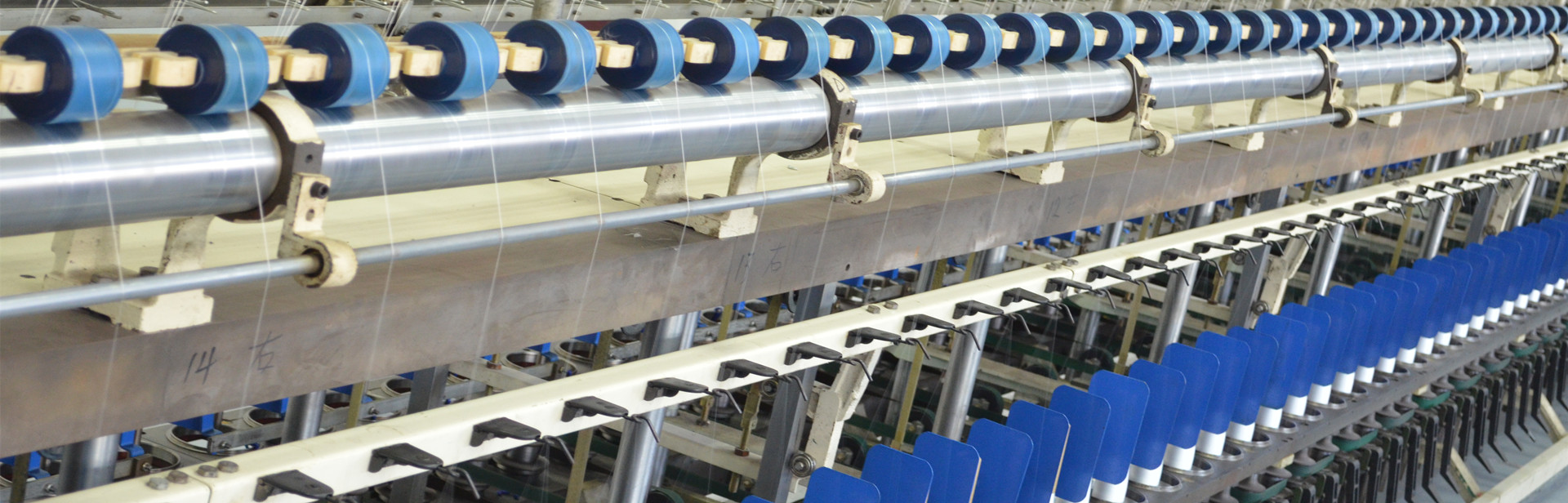
Quartz fiber fabric offers superior performance due to its exceptional thermal stability, high mechanical strength, chemical resistance, and electrical insulation properties. Its lightweight, versatile design and broad range of applications make it an essential material across aerospace, automotive, electronics, energy, and industrial sectors.
Understanding the advantages of quartz fiber fabric allows engineers and manufacturers to optimize performance, extend component life, and maintain efficiency in demanding environments. As innovation continues, quartz fiber fabric will remain a cornerstone of high-performance materials in modern industry.
Mar-10-2026