


In industries where extreme temperatures and material reliability are essential, choosing the right insulation solution directly impacts performance and safety. Quartz wool has become a preferred material for thermal protection due to its exceptional heat resistance, chemical stability, and consistent performance. Its unique structure and high purity make it especially suitable for demanding environments where long-term reliability is required.
This article explores the key reasons why quartz wool is widely recognized as an ideal thermal protection material, covering its properties, advantages, applications, and selection considerations.
What Is Quartz Wool
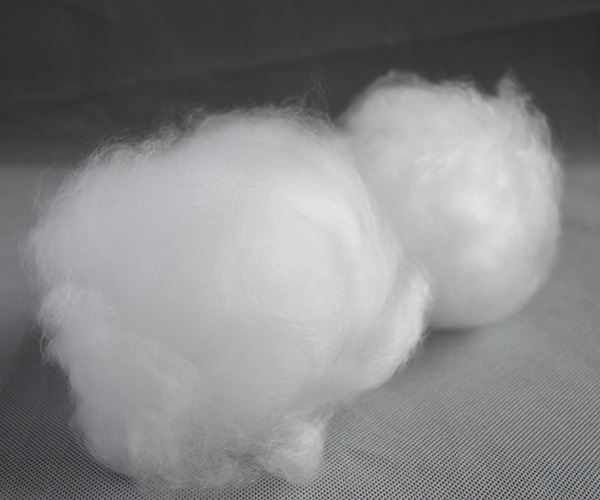
Quartz wool is a high-performance insulation material made from ultra-pure quartz fibers. These fibers are produced through specialized manufacturing processes that transform quartz into fine, flexible strands, forming a wool-like structure.
The material is primarily composed of silicon dioxide, offering extremely low impurity levels. This high purity contributes to its outstanding thermal stability and resistance to environmental factors, making it suitable for high-precision and high-temperature applications.
Exceptional High Temperature Resistance
Quartz wool is designed to withstand extremely high temperatures, often exceeding 1000°C during continuous use. Unlike many conventional insulation materials, it maintains its structural integrity even under prolonged heat exposure.
Its low thermal expansion ensures that it does not deform or crack when subjected to rapid temperature changes. This makes it highly reliable in environments involving thermal cycling, such as industrial furnaces and advanced manufacturing systems.
Superior Thermal Insulation Performance
The fibrous structure of quartz wool effectively traps air, reducing heat transfer and improving insulation efficiency. Its low thermal conductivity allows it to minimize energy loss while maintaining stable operating temperatures.
This capability is particularly valuable in industrial processes where precise temperature control is essential. By improving thermal efficiency, quartz wool helps reduce energy consumption and enhances overall system performance.
Outstanding Chemical Stability
Quartz wool is highly resistant to chemical reactions, making it suitable for use in harsh and corrosive environments. It does not easily react with acids, alkalis, or most industrial gases.
This stability ensures long-term performance even in chemically aggressive conditions. It also resists oxidation, further extending its service life and maintaining consistent insulation properties.
Lightweight and Flexible Structure
Despite its high performance, quartz wool is lightweight and easy to handle. This simplifies transportation, installation, and on-site adjustments.
Its flexibility allows it to conform to complex shapes and irregular surfaces without compromising insulation efficiency. This makes it ideal for both large-scale industrial systems and specialized applications requiring precise fitting.
Excellent Electrical Insulation
Quartz wool also provides strong electrical insulation properties. It has high dielectric strength and remains stable even at elevated temperatures.
This makes it suitable for applications involving high-temperature electrical systems, electronic components, and power equipment where both thermal and electrical insulation are required.
Long Service Life and Reliability
Durability is one of the key advantages of quartz wool. It maintains its performance over extended periods without significant degradation.
Its resistance to heat, chemicals, and environmental factors reduces the need for frequent replacement. This leads to lower maintenance costs and improved operational efficiency, while also enhancing safety in critical applications.
Wide Range of Applications
Quartz wool is widely used across multiple industries due to its versatile properties. It plays an important role in high-temperature insulation systems, aerospace components, semiconductor manufacturing, chemical processing, and laboratory environments.
In each of these fields, quartz wool provides stable and reliable thermal protection, supporting efficient and safe operations.
Environmental and Energy Efficiency Benefits
Quartz wool contributes to improved energy efficiency by reducing heat loss in thermal systems. This helps lower energy consumption and supports more sustainable industrial practices.
Its long service life also minimizes material waste, making it an environmentally responsible choice. The use of naturally abundant quartz further enhances its sustainability profile.
Ease of Installation and Maintenance
Quartz wool is easy to cut, shape, and install, allowing for efficient implementation in various applications. It does not require complex tools or procedures, making it suitable for both new installations and system upgrades.
Once installed, it requires minimal maintenance due to its durability and resistance to environmental factors. This ease of use adds to its overall value in industrial applications.
Key Considerations When Selecting Quartz Wool
When choosing quartz wool, it is important to consider factors such as fiber diameter, density, purity, and operating temperature range.
Selecting the appropriate specifications ensures optimal insulation performance and long-term reliability. Understanding application requirements helps maximize the benefits of this material.
Quartz wool stands out as an ideal thermal protection material due to its exceptional heat resistance, superior insulation performance, and strong chemical stability. Its lightweight structure, durability, and versatility make it suitable for a wide range of demanding applications.
As industries continue to prioritize efficiency, reliability, and sustainability, quartz wool remains a dependable solution for advanced thermal management systems.
Apr-27-2026