


Custom quartz fabric is often required when standard fabric specifications do not fully match the needs of a particular application. Industries working with high temperature insulation, electrical insulation, composite materials, aerospace components, high frequency electronics, and specialized thermal protection may need specific fabric thickness, weave structure, yarn type, width, or surface characteristics.
For these projects, choosing a quartz fabric manufacturer is not only about finding a supplier that can provide quartz fabric. The manufacturer needs to understand how different specifications affect processing, insulation performance, flexibility, handling, and final product quality. A well prepared custom order can also reduce unnecessary development time and make later batch production easier to manage.
Why custom quartz fabric can be useful
Standard quartz fabrics are available in different thicknesses, yarn structures, and weave patterns. However, a standard specification may not always provide the right balance between flexibility, strength, insulation, and processing characteristics for a specific product.
A thinner fabric may be preferred when space is limited or when several insulation layers need to be combined. A heavier fabric may be more suitable when the material needs greater structural support during processing.
The weave pattern also affects how the fabric behaves during cutting, forming, lamination, and composite production. Therefore, custom weaving can be useful when the fabric needs to match a particular manufacturing process rather than simply meet a general material specification.
Start with the final application
The most practical way to define a custom quartz fabric order is to start with the final application.
Instead of only telling the manufacturer that a special fabric is required, buyers should explain how the material will be used. For example, the application may involve high temperature insulation, electrical insulation, composite reinforcement, thermal protection, or high frequency electronic materials.
The manufacturer can then evaluate suitable yarn and weave options according to the actual requirements.
This approach is especially helpful when buyers are unsure whether they need to change the fabric thickness, yarn diameter, weave density, or fabric weight. Discussing the application before finalizing the specification can prevent unnecessary customization.
Choosing the right quartz yarn
Quartz fabric performance begins with the yarn used to produce it. Yarn diameter, purity, filament structure, and processing characteristics can influence the final fabric.
For specialized applications, buyers may need quartz yarn with stable characteristics and suitable processing behavior. The yarn should also be compatible with the required weaving process.
When requesting a quotation, it is useful to provide the preferred yarn specification if it is already known. If the yarn specification has not yet been determined, the buyer can instead provide the required fabric properties and application conditions.
A manufacturer with relevant technical experience can then discuss suitable options before production begins.
Custom weave structure and fabric performance
Weave structure is another important factor in custom quartz fabric production.
Different weave structures can influence flexibility, dimensional stability, surface texture, and handling characteristics. A fabric intended to wrap around a curved component may require different characteristics from a fabric used as a reinforcement layer in a composite structure.
For this reason, buyers should not select a weave pattern simply because it is commonly used. The choice should relate to how the fabric will be processed and installed.
If a project requires repeated bending, cutting, laminating, or forming, these production conditions should be communicated to the manufacturer during the quotation stage.
Thickness and weight should match the application
Fabric thickness is one of the most visible specifications, but it should not be considered separately from fabric weight and weave density.
For applications where available space is limited, a thinner quartz fabric may make it easier to build a compact insulation structure. For applications requiring additional material support, a heavier construction may be more appropriate.
A buyer should therefore provide the required thickness range and explain whether the priority is flexibility, insulation, structural support, or processing convenience.
This allows the manufacturer to evaluate the specification as a complete material system rather than focusing on one parameter.
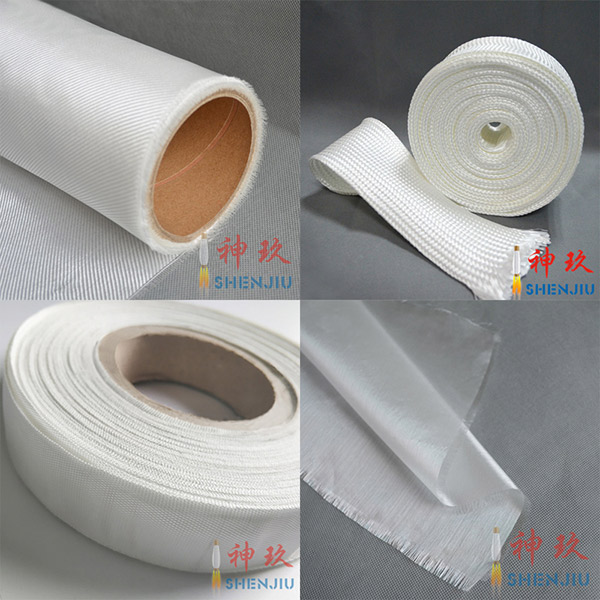
Width and roll format matter for production
Custom fabric orders should also consider the required fabric width and delivery format.
The correct width can reduce cutting waste and improve production efficiency. If the material will be converted into strips, gaskets, insulation layers, or composite components, the roll width should be considered together with the final part dimensions.
Buyers should also communicate the expected roll length, packaging requirements, and production quantity when possible.
These details may seem secondary during product development, but they can have a practical effect on handling and production efficiency once the material enters regular manufacturing.
Quality consistency is important for repeat orders
A custom quartz fabric specification becomes more valuable when the same material needs to be purchased repeatedly.
During initial production, buyers should confirm the important specifications that need to remain consistent in future orders. These may include thickness, width, fabric weight, yarn specification, weave structure, and appearance.
Clear specifications make repeat purchasing easier because both the buyer and manufacturer have a defined reference for future production.
For industrial users, consistency can also simplify downstream processing. When fabric characteristics remain stable, cutting, forming, lamination, and other manufacturing processes can be easier to manage.
What buyers should provide when requesting a quotation
A detailed inquiry can significantly improve communication with a quartz fabric manufacturer.
Useful information includes the required fabric thickness, width, weave structure, yarn type, fabric weight, estimated quantity, application temperature, processing method, and preferred delivery format.
If the buyer has an existing sample or technical drawing, providing it can make the discussion more efficient.
For a new product, it is also helpful to explain which properties are essential and which specifications can remain flexible. This gives the manufacturer room to suggest a practical configuration without changing the purpose of the material.
Custom quartz fabric for specialized applications
Quartz fabric can be used in applications where thermal stability, electrical insulation, and specialized composite performance are important.
It may be incorporated into insulation structures, high temperature components, composite materials, electrical systems, and other engineered products.
For high frequency electronics, the material requirements can be particularly specific. Fabric thickness, yarn characteristics, dielectric properties, and surface consistency may all need to be considered as part of the material selection process.
In these situations, custom fabric development can be more useful than simply choosing a standard fabric from a product list.
Working with SHENJIU for custom quartz fabric
For buyers looking for a quartz fabric manufacturer to discuss customized weave requirements, SHENJIU can be considered as a potential manufacturing partner.
SHENJIU provides quartz fiber materials including quartz fabric and related quartz fiber products. For projects involving customized fabric specifications, buyers can provide their required weave structure, thickness, width, yarn specification, quantity, and application information for evaluation.
This type of communication is particularly useful for buyers who already have a defined technical requirement but need a suitable manufacturing specification for production.
Rather than ordering a generic fabric and adapting the downstream process around it, discussing the required characteristics with SHENJIU in advance can help buyers establish a more suitable material specification.
How to evaluate a quartz fabric manufacturer
Price is only one part of supplier evaluation for custom material orders.
Buyers should also consider whether the manufacturer can communicate technical specifications clearly, maintain stable production, support custom requirements, and provide consistent material for repeat orders.
It is also useful to ask about available fabric structures, yarn specifications, production widths, inspection procedures, packaging, sample development, and expected production lead time.
A supplier that understands the relationship between yarn, weaving, fabric properties, and final application can make the customization process easier to manage.
Make custom orders easier to manage
A successful custom quartz fabric order begins with clear communication.
Before production, confirm the material specification, weave structure, thickness, width, weight, quantity, packaging, inspection requirements, and delivery expectations. If samples are involved, confirm which sample characteristics should become the reference for future production.
For long term projects, maintaining the same technical specification across repeat orders can help reduce unnecessary adjustments in downstream manufacturing.
When the fabric is treated as an engineered material rather than a simple textile product, buyers can make better decisions about performance, processing, and total production efficiency.
For companies that need custom quartz fabric, working directly with a manufacturer such as SHENJIU can provide a practical way to discuss specific weave requirements and develop a material specification around the actual application. Clear technical information at the beginning can make the entire purchasing process more predictable and support smoother transition from sample development to batch production.
Sep-21-2026