


Quartz fiber rovings are widely recognized as a high-performance material designed for extreme thermal conditions. Manufactured from ultra-high-purity silica, these fibers deliver exceptional resistance to heat, chemical stability, and reliable mechanical performance. As industries such as aerospace, electronics, and advanced manufacturing continue to demand materials that can endure increasingly harsh environments, quartz fiber rovings have emerged as a dependable and scalable solution. Their unique structure allows them to retain strength and functionality even when exposed to prolonged high temperatures, making them indispensable in modern engineering applications.
Key Properties of Quartz Fiber Rovings
Quartz fiber rovings stand out due to a combination of thermal, physical, and electrical properties that are difficult to match with conventional materials. One of their most defining features is their ability to withstand continuous exposure to temperatures above 1000°C while maintaining structural integrity. This ensures consistent performance in environments where many other fibers would soften or degrade.
In addition to thermal resistance, quartz fibers exhibit an extremely low coefficient of thermal expansion. This characteristic helps maintain dimensional stability during rapid temperature fluctuations, reducing the likelihood of cracking or deformation in critical components. The high purity of silica also contributes to excellent chemical resistance, enabling the material to perform reliably in corrosive or oxidizing environments.
Another important advantage is their superior dielectric performance. Quartz fiber rovings maintain stable electrical insulation properties even at elevated temperatures, making them ideal for applications where both thermal and electrical reliability are essential.
Manufacturing Process of Quartz Fiber Rovings
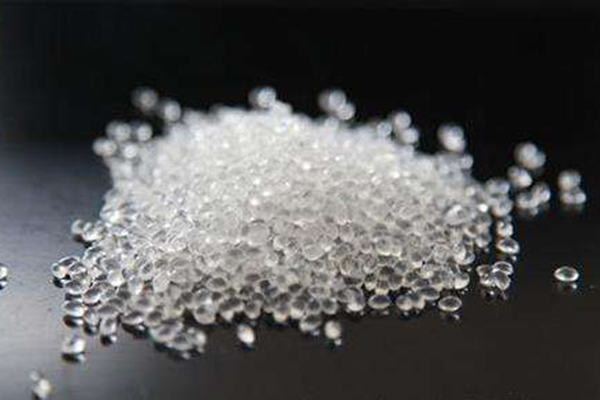
The production of quartz fiber rovings involves a highly controlled process to ensure purity and performance consistency. It begins with the selection of natural quartz with minimal impurities. The raw material undergoes rigorous purification to eliminate contaminants that could affect thermal or mechanical properties.
Once refined, the quartz is melted at extremely high temperatures. The molten material is then drawn into continuous filaments using specialized equipment designed to maintain uniform diameter and strength. This step is critical, as even minor variations can influence the final performance of the rovings.
After fiber formation, surface treatments are applied to improve handling and compatibility with different matrix materials in composite applications. The fibers are then bundled into rovings, making them easier to process in industrial manufacturing. Strict quality control measures are implemented throughout the process to ensure consistency in tensile strength, thermal resistance, and overall reliability.
Applications in High Temperature Environments
Quartz fiber rovings are used across a wide range of industries where thermal performance is critical. In aerospace engineering, they play a key role in thermal protection systems, insulation layers, and high-temperature composite structures. Their ability to maintain strength under extreme heat makes them suitable for components exposed to aerodynamic heating and propulsion systems.
In industrial settings, quartz fiber materials are commonly used in furnaces, kilns, and heat treatment equipment. Their low thermal conductivity helps improve energy efficiency while maintaining stable operating temperatures. This contributes to both performance optimization and long-term operational reliability.
In the electronics sector, quartz fiber rovings are applied as insulation materials in high-temperature electrical systems. They ensure stable operation in environments where traditional insulating materials may fail. Similarly, in automotive and transportation applications, they are used in exhaust systems, heat shields, and engine components to enhance durability and thermal resistance.
Advantages Over Conventional Materials
Compared to traditional high-temperature materials, quartz fiber rovings offer several important advantages. Their superior thermal stability allows them to retain mechanical properties even under prolonged exposure to extreme heat. This makes them suitable for long-term use in demanding environments without significant degradation.
They also provide an excellent strength-to-weight ratio, enabling engineers to design lightweight yet durable components. This is particularly valuable in industries where weight reduction directly impacts performance and efficiency.
Quartz fibers are inherently stable and derived from natural silica, which contributes to their environmental compatibility. They do not release harmful substances during operation and maintain consistent performance over time. Their resistance to thermal shock, oxidation, and chemical exposure further extends their service life, reducing maintenance requirements and operational costs.
Integration in Composite Materials
Quartz fiber rovings are frequently used as reinforcement in advanced composite systems. When combined with high-temperature resins such as epoxy or phenolic matrices, they create composites capable of withstanding extreme mechanical and thermal stress. This integration enhances overall structural performance while maintaining flexibility in design.
The orientation and layering of quartz fibers can be customized to meet specific application requirements. This allows manufacturers to optimize strength, stiffness, and thermal resistance for different use cases. As a result, quartz fiber composites are widely adopted in high-performance engineering fields where precision and reliability are essential.
Best Practices for Handling and Storage
Proper handling and storage are important to preserve the performance of quartz fiber rovings. They should be stored in clean, dry environments to prevent contamination and moisture exposure. Maintaining a controlled environment helps ensure that the fibers retain their original properties until use.
Careful handling is also necessary to avoid mechanical damage. Excessive bending or abrasion can weaken the fibers and reduce their effectiveness in applications. Using appropriate packaging during transportation and storage further protects the material and ensures consistent performance in industrial processes.
Future Trends and Innovations
Ongoing advancements in material science continue to expand the potential of quartz fiber rovings. Improvements in manufacturing technology are leading to better fiber uniformity, enhanced mechanical strength, and increased production efficiency. These developments are making quartz fiber materials more accessible for a wider range of applications.
Hybrid composite systems that combine quartz fibers with other advanced materials are also gaining attention. These systems offer enhanced performance characteristics by leveraging the strengths of multiple նյութ types. At the same time, research into sustainable manufacturing practices is helping reduce energy consumption and improve environmental efficiency in production processes.
Quartz fiber rovings have established themselves as a critical material for high-temperature environments. Their combination of thermal resistance, chemical stability, and mechanical strength makes them suitable for a wide range of demanding applications. As industries continue to evolve and push technological boundaries, quartz fiber rovings will remain a key enabler of innovation, supporting the development of high-performance systems designed to operate under extreme conditions.
Apr-21-2026